

Hash Red Lebanese
Currently unavailable. Get notified the moment Hash Red Lebanese is back in stock.
Get notified the moment it is back. No spam, just this restock.
1 to 2 hour GTA delivery . Cash or e-Transfer . 19+ . Free over $80
In stock now: similar to Hash Red Lebanese
Hash Red Lebanese is sold out. These are available today, from our Hash range.
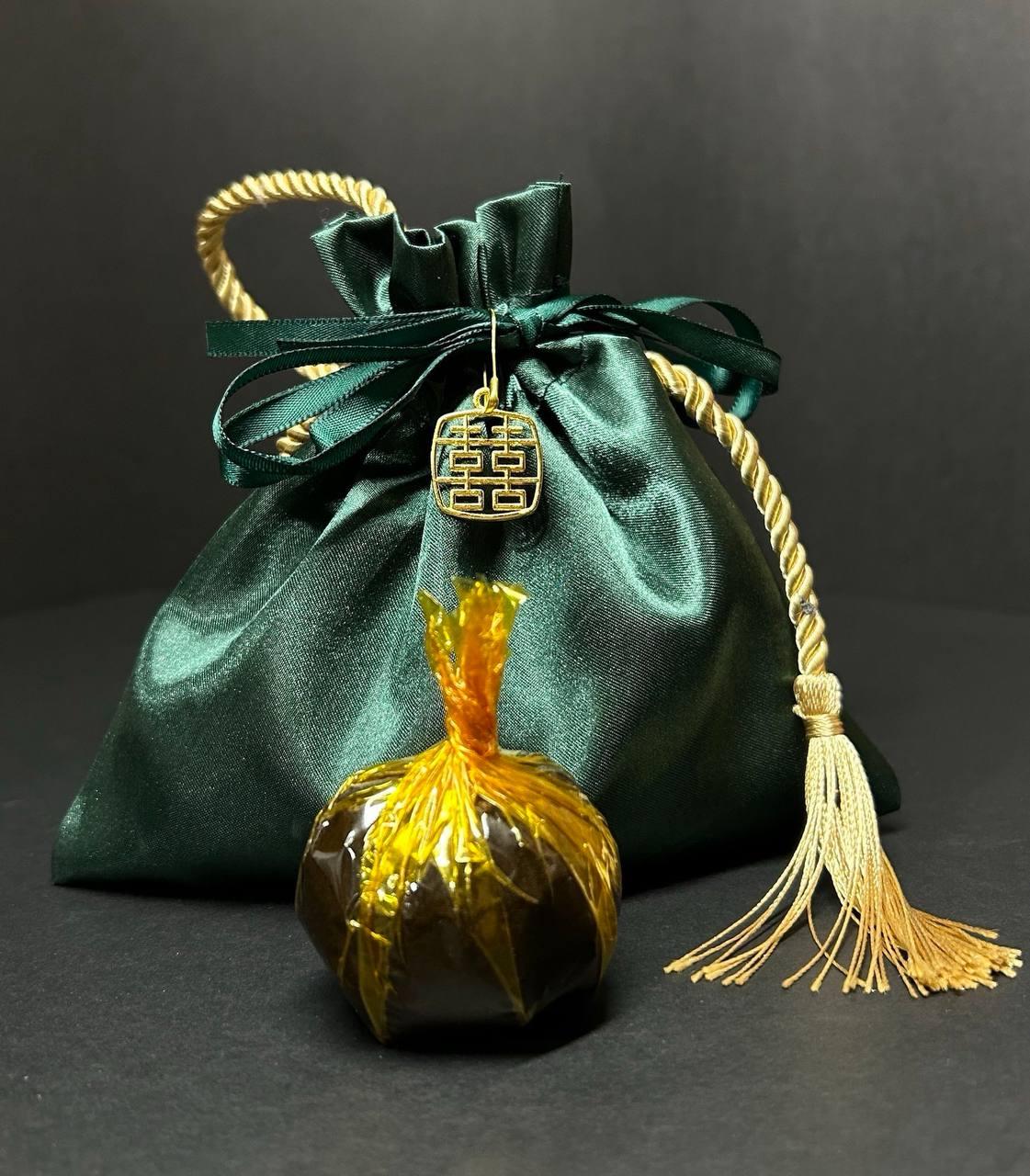 Sale
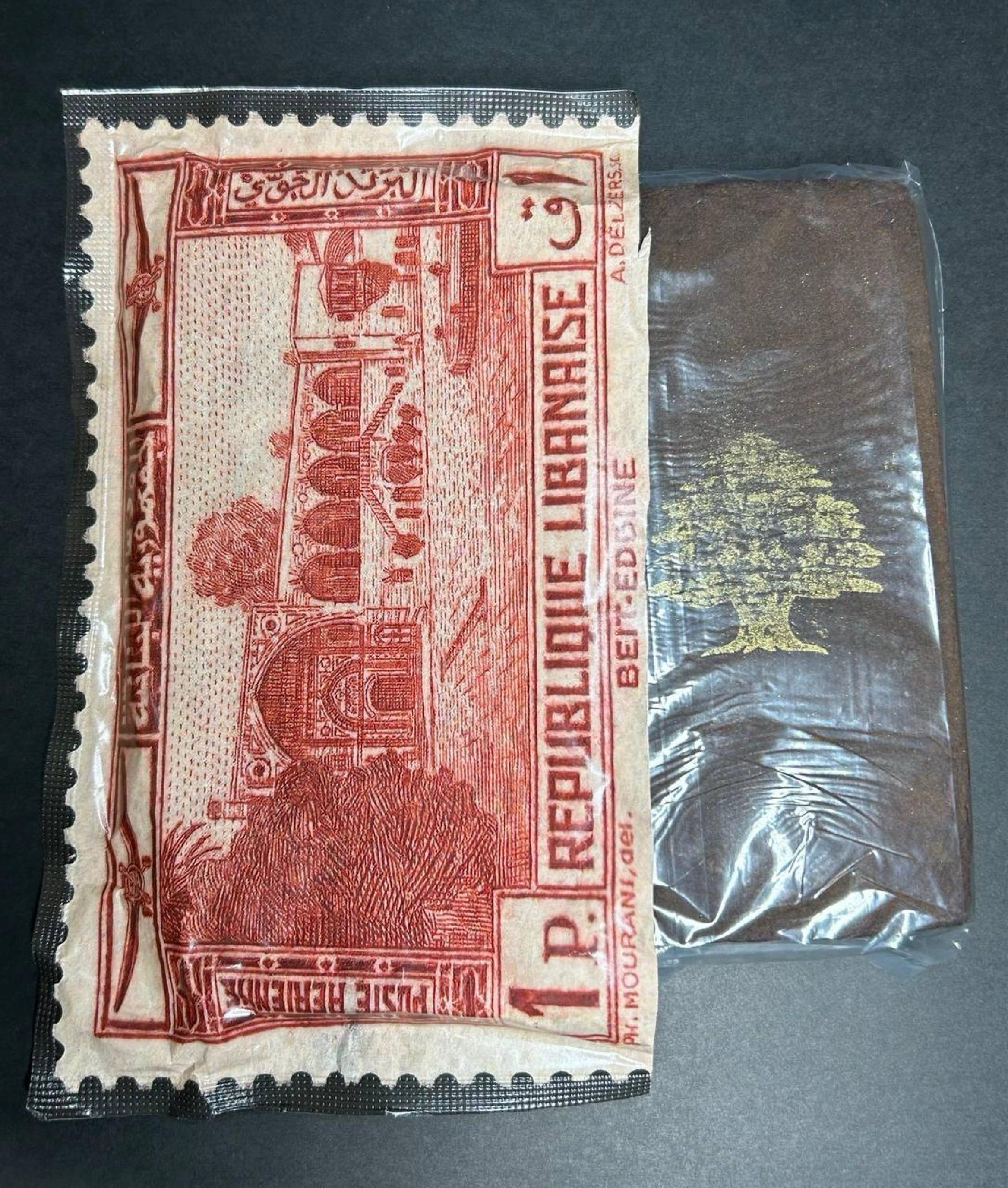
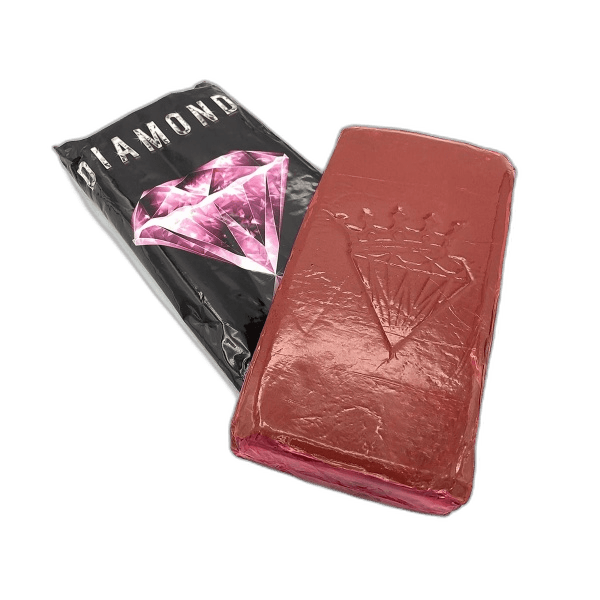 Sale
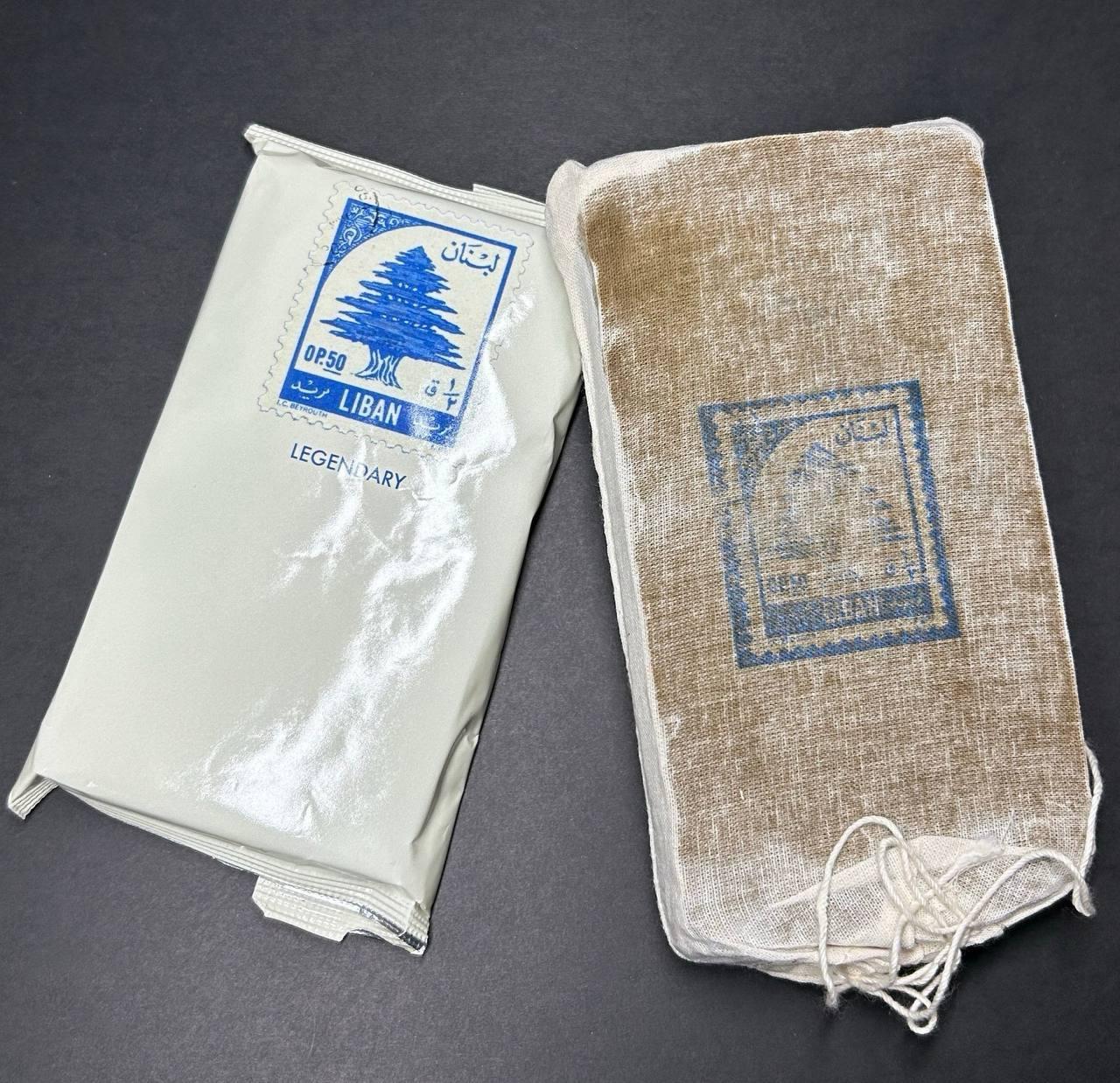
Behind the name Hash Red Lebanese is the Bekaa Valley, which Wikipedia calls Lebanon’s best-known cannabis-growing area. In Sensi Seeds’ guide to hash types, Red Lebanese appears under dry sift: dried cannabis beaten or sieved over fine mesh, with the powder then compressed into bricks.
Lebanese hash through the decades
- Around 1900: Wikipedia’s Hashish article lists Lebanon, with Kashmir and other parts of India, Afghanistan, Greece, Syria, Nepal and Turkey, among the sources of most of Europe’s hashish.
- 1925: even then, a French report quoted in a footnote on Wikipedia’s Cannabis in Lebanon page found hashish cultivation in the Bekaa especially intense.
- 1960s: cannabis, long grown in Lebanon, became an export crop, according to a 1985 Reuters report carried by the Christian Science Monitor.
- 1975 to 1990: Wikipedia says the industry grew during the 15-year civil war.
- 1985: the same Reuters story described Bekaa growers selling “Lebanese red” and a crop so central to the local economy that it was nicknamed the “petroleum of the Bekaa”, employing about 40 percent of the northern valley’s population.
- 2002 and after: production covered 37,000 acres, twice the previous year’s figure, and Wikipedia says the industry expanded again from 2011 during the Syrian war.
Red earth, rooftops and silk screens
For the red in the name, one grower in the Bekaa, quoted by Al-Monitor, points to the red-brown soil of his fields. Sensi Seeds, which calls the Bekaa the traditional centre of hash-making, describes the classic sequence: plants harvested in late September and left standing until nearly dry, finished in the sun on a rooftop, then cured for two or three weeks in a cool, dry room before the stems and outer leaves come off.
Next, the female flowers are rubbed and shaken across a series of fine silk screens, each with its own mesh size. Of the three shakes, the first produces the finest powder, and the two after it produce poorer grades. How sift is graded is one of the topics in our dry sift hash guide.
Before lighting Red Lebanese
On Health Canada’s lower-risk page, hash shares a line with kief, wax and shatter as a high-THC extract, and people who are new to cannabis or use it occasionally are advised to skip such extracts. Our guide to hash types sets out the other traditions.
Customer reviews
Be the first to review Hash Red Lebanese.
More Cannabis

 Indica


Hash Red Lebanese — Frequently Asked Questions
Q.Is there a blonde version of Lebanese hash?
Yes. Sensi Seeds names Lebanese Blonde next to Lebanese Red, and says hash smokers around the world favour both.
Q.What happens to the sifted powder before pressing?
It waits in bags until winter, Sensi Seeds says, and only then goes into cotton or linen bags for industrial presses that form it into soft, pliable blocks of hashish.
Q.Does Bekaa cannabis need irrigation?
No. The Bekaa’s dry soil suits cannabis well enough, Sensi Seeds says, that farmers can skip both irrigation and fertilizer, and a single hectare can give 40 to 100 kilograms of hashish.
Q.How has cannabis traditionally been regarded in the Bekaa?
As Al-Mabroukeh, “the blessed plant”, in local speech. Over centuries of use there, Sensi Seeds says, it has been handed over as payment, included in wedding dowries and given to guests.