Growing Looks Easy Until You Try It
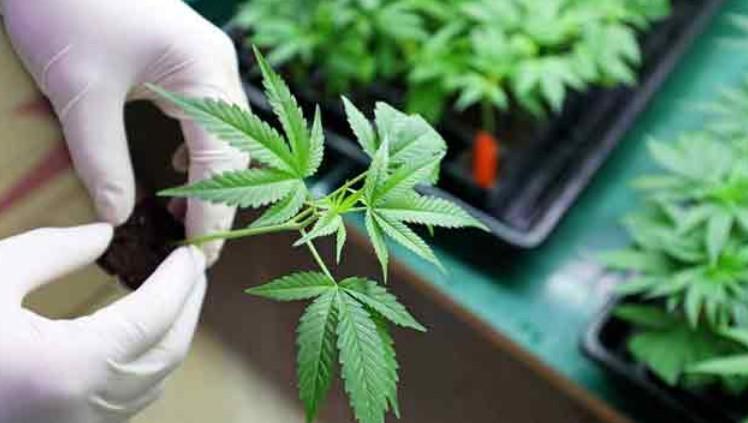
Cannabis is a weed, and people love to point that out. It grows wild in ditches, so how hard can it be? The honest answer is that keeping a plant alive is easy, but growing buds you actually want to smoke is a different game. The gap between a sad little plant in a closet and a proper harvest is full of small mistakes that add up.
Most first time growers make the same handful of errors, and almost all of them are fixable once you know what to watch for. None of this is rocket science. It is mostly about paying attention, not panicking, and resisting the urge to fuss over your plants every five minutes. Plants want consistency more than they want constant attention.
This guide runs through the ten mistakes we hear about most often from customers who have tried growing at home. If you are thinking about a grow, read these first and you will dodge a lot of wasted time. And if it sounds like more work than you signed up for, there is always the easy route of having quality flower delivered instead.
Mistake 1: Overwatering
This is the number one killer of home grown cannabis, by a mile. New growers love their plants and show that love by watering constantly. The problem is that cannabis roots need oxygen as much as they need water, and soaking the soil every day drowns them. The roots cannot breathe, they start to rot, and the plant slowly chokes from the bottom up.
The confusing part is that an overwatered plant often looks like it needs more water. The leaves droop, so people pour on more, which makes it worse. The trick is to feel the soil. Stick a finger an inch or two down, and only water when it feels dry at that depth. Lift the pot too, a light pot needs water, a heavy one does not.
A good watering habit is to water deeply but less often. Give the plant a proper drink so water runs out the bottom, then leave it alone until the top inches dry out again. That wet to dry cycle pulls oxygen back into the soil between waterings and keeps the roots happy. Once you nail this rhythm, half your potential problems disappear.
Mistake 2: Not Enough Light
Cannabis is a sun hungry plant, and weak lighting is one of the most common reasons home grows disappoint. A plant grown on a windowsill or under a cheap desk lamp will stretch tall and spindly, reaching for light it is not getting, and the buds will come out small, airy, and weak. Light is fuel, and a starving plant cannot produce.
If you grow indoors, you need a real grow light, not a household bulb. The plant should be getting bright, consistent light for the whole day during its growth stage. Skimping here is false economy, because everything else you do is wasted if the plant is short on energy. A decent light is the single best thing most indoor growers can buy.
Distance matters too. Hang the light too far away and the plant stretches; too close and you can burn the tops. Most growers learn to read the plant and adjust, keeping the light close enough to drive tight growth without scorching the leaves. It takes a little trial and error, but getting the light right is what separates dense buds from fluffy ones.
Mistake 3: Ignoring pH
This one is invisible, which is exactly why beginners miss it. The pH of your water and soil controls whether the plant can actually absorb the nutrients that are there. If the pH is off, you can feed the plant perfectly and it will still show signs of starvation, because the roots simply cannot take up what they need. It is a maddening problem if you do not know to check.
For soil grows, you generally want the pH of your water sitting in a slightly acidic range, and for water based setups the target is a touch lower. A cheap pH meter or test drops cost very little and save you a lot of confusion. Test your water before you feed, adjust it if needed, and you remove one of the biggest hidden causes of unhealthy plants.
When growers post photos of yellow, spotted, or clawing leaves asking what nutrient deficiency they have, the real answer is very often pH. Fix the pH and the deficiency clears up on its own, because the food was there all along. Make pH testing a habit from day one and you will avoid chasing problems that were never about nutrients in the first place.
Mistake 4: Overfeeding Nutrients
More food does not mean a bigger plant. New growers see nutrient bottles promising huge yields and pour on heavy doses, convinced they are helping. What they usually get is nutrient burn, where the leaf tips turn brown and crispy and curl under. The plant is being overwhelmed, not fed, and pushing more only deepens the damage.
The fix is restraint. Start at half the dose the bottle recommends, because those instructions tend to run strong, and watch how the plant responds before increasing. A slightly underfed plant is far easier to rescue than an overfed one. You can always add more, but you cannot easily pull nutrients back out of the soil once they are in there.
Cannabis genuinely needs less feeding than most beginners assume, especially while it is young. Many growers get fine results running their nutrients on the lean side the whole way through. If the plant looks healthy and green, it is being fed enough, and adding more just to be safe is how the trouble starts. When in doubt, feed less and watch.
Mistake 5: Poor Airflow
Stagnant air is a quiet enemy. Without a breeze moving through your grow space, moisture builds up, the plants do not transpire properly, and you create the perfect conditions for mould and pests. A still, humid corner is exactly where bud rot loves to take hold, and bud rot can wipe out a harvest in days right when the plant is at its most valuable.
A simple oscillating fan makes a huge difference. You want gentle, constant air movement across the whole space, enough to make the leaves flutter slightly. This strengthens the stems, keeps humidity from pooling, and makes it much harder for pests and mould to settle in. It is a cheap fix for a problem that can otherwise ruin everything.
Airflow matters more as the plant fills out. A bushy plant in flower has dense colas that trap moisture deep inside where air does not reach. Some growers trim away lower growth and leaves to open the plant up so air can circulate through the canopy. Good airflow is not glamorous, but it protects all the work you put in during the weeks before harvest.
Mistake 6: Wrong Temperature and Humidity
Cannabis has preferences, and ignoring them stresses the plant. Too hot and growth slows while the plant wilts and bakes; too cold and it sulks and stops developing. The plant does best in a comfortable room temperature range that is not far off what people find pleasant, and big swings between day and night can shock it if they are extreme.
Humidity is the trickier half. Young plants like it fairly humid, but as they move into flowering you want the air drier to keep mould away from the fattening buds. Growers who leave their space humid right through flower often pay for it with rot. A cheap hygrometer that reads temperature and humidity takes the guesswork out completely.
You do not need a lab to manage this. A small heater, a fan, or a dehumidifier can each nudge conditions in the right direction, and even just cracking a door or adjusting your lights helps. The goal is steady, comfortable conditions that drift drier as harvest approaches. Get the environment right and the plant does most of the rest on its own.
Mistake 7: Topping or Training Too Aggressively
Training a plant, by topping it or bending the branches, can boost your yield by spreading the canopy so more buds get light. It is a great technique. The mistake is going too hard, too fast, especially as a beginner. Cutting or bending too much at once stresses the plant badly and can stunt it for weeks while it tries to recover.
The smart approach is gentle and gradual. Make one clean cut when topping, let the plant bounce back, and only do more once it is clearly healthy again. The same goes for bending branches, ease them over slowly rather than cracking them. A plant that is recovering from a heavy handed session is a plant that is not growing buds, so patience pays.
Timing matters as well. Training is best done while the plant is in its growth stage and has the energy to recover and fill back in. Doing heavy work once the plant is flowering wastes its energy at the exact moment it should be pouring everything into buds. Get your shaping done early, then leave the plant to do its thing.
Mistake 8: Harvesting Too Early
Impatience strikes hardest at the finish line. After weeks of waiting, the buds look frosty and smell amazing, and the temptation to chop is overwhelming. But harvesting even a week or two early means weaker, harsher buds that have not finished developing their potency or flavour. Those last days of ripening matter more than people expect.
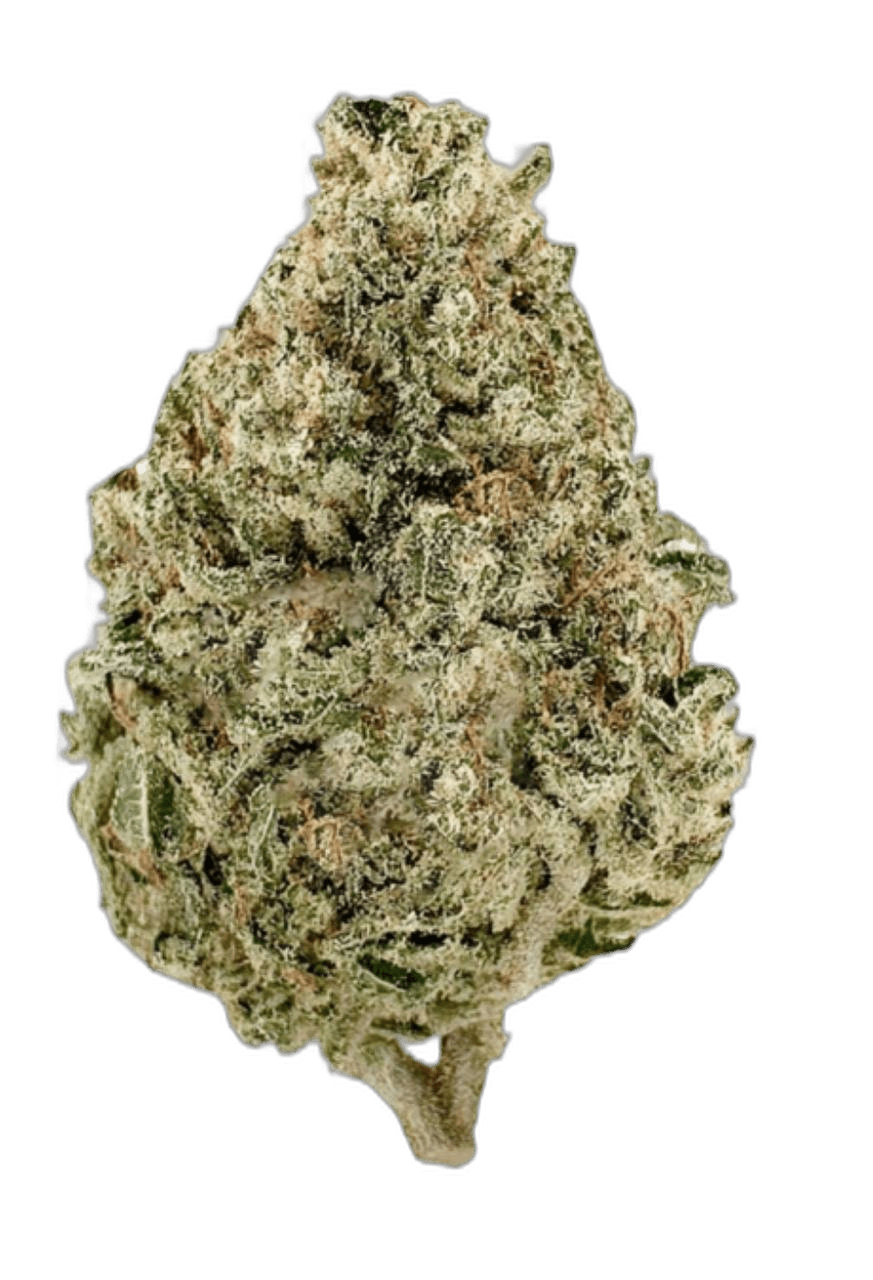
The reliable way to judge ripeness is to look closely at the tiny resin glands on the buds, called trichomes. With a cheap magnifier you can watch them shift from clear to a milky, cloudy colour, and then toward amber. Most growers aim to harvest when the majority have turned cloudy, which is the sweet spot for a strong, balanced effect.
Going purely by the calendar or by the breeder's estimated finish time is a common trap, because every plant and every setup runs a little differently. Two extra weeks of patience can be the difference between a mediocre harvest and a genuinely good one. The plant has done all the hard work by now, so let it finish before you reach for the scissors.
Mistake 9: Skipping the Cure
Harvesting is not the last step, and a lot of first time growers treat it like it is. They dry the buds, smoke them, and wonder why they taste like fresh cut grass and burn harshly. The missing piece is curing, the slow process of storing dried buds in sealed jars and letting them mellow over a couple of weeks or more.
Curing does for cannabis roughly what aging does for good food and drink. It smooths out the harshness, brings the flavour and aroma forward, and makes the final product far nicer to smoke. Skipping it wastes a chunk of the quality you grew. You burp the jars daily at first to release moisture, then settle into a slower rhythm.
It is the hardest step for impatient growers because the plant is finished and the reward is right there. But the difference between cured and uncured bud is night and day. A couple more weeks of restraint at the very end transforms a rough harvest into something that smokes clean and tastes like all that effort was worth it. Done patiently, a good cure is what makes home grown bud finally taste store quality.
Mistake 10: Buying Bad Genetics
You can do everything right and still end up disappointed if you started with poor seeds. Genetics set the ceiling for what a plant can be. Random bag seed or cheap, unknown stock can grow into weak, unpredictable plants no matter how well you care for them. Skilled growing cannot turn bad genetics into great weed.
Quality seeds or clones from a reputable source cost a little more, but they give you a plant with known traits, reliable potency, and a fair shot at a good harvest. If you are going to invest weeks of effort, it makes no sense to start with a coin flip. Good genetics are the foundation everything else is built on.
Genetics also decide a lot of the things you cannot change later, like the flavour, the type of high, and how the plant handles your conditions. Some strains are forgiving and beginner friendly, others are fussy and best left to experienced hands. Picking a hardy, well reviewed strain for your first grow stacks the odds in your favour from the very start.
Bonus Mistake: Starting With Too Many Plants
A lot of beginners get excited and try to run a full tent of plants on their first attempt. It feels efficient, but it usually backfires. Every plant you add multiplies the things that can go wrong, and when you are still learning, that means more mistakes happening at once and less attention for each plant. A crowded space also traps humidity and invites mould.
Starting with one or two plants is far smarter. You learn the whole cycle, from seedling to cure, on a manageable scale where a single mistake does not wipe out everything. Once you have a successful grow under your belt and know your space, scaling up is easy. Walking before running is the boring advice that actually works here.
There is also the legal side to keep in mind. In Ontario the limit is four plants per household, not per person, so piling in more than that is not just harder to manage, it is against the rules. Keeping your numbers low keeps you both sane and onside, which is exactly where a first time grower wants to be.
Bonus Mistake: Fussing Over the Plants Constantly
It sounds caring, but hovering over your plants and tinkering every day causes real harm. Constantly moving them, touching the buds, adjusting everything, and second guessing each tiny change adds up to a stressed plant. Cannabis wants a steady, stable environment far more than it wants a worried grower poking at it morning and night.
The hardest skill for a lot of beginners is leaving the plant alone. Set up good conditions, water on the right schedule, check in once a day, and otherwise let it grow. Plants run on consistency. The grower who calmly maintains the same routine almost always beats the one who reacts to every little thing and changes course constantly.
How to Recover When You Mess Up
Here is the reassuring part. Most growing mistakes are not instantly fatal, and plants are tougher than they look. Overwatered roots can recover if you back off and let the soil dry. Nutrient burn stops spreading once you flush and ease up on feeding. A pH problem clears within days of correcting your water. The plant wants to live.
The key is to change one thing at a time and then wait. Beginners tend to panic and fix everything at once, which makes it impossible to tell what actually helped and often stresses the plant further. Diagnose calmly, make a single adjustment, give it a few days, and watch how the plant responds before doing anything else.
And if a grow does fail completely, treat it as tuition rather than a disaster. Every experienced grower has killed plants and learned from it. The next attempt is almost always better. Or, if you decide the whole project is not for you after all, there is zero shame in simply ordering flower and enjoying the result without the stress.
Why a Lot of People Just Buy Instead
Once you add up the lights, the fans, the meters, the nutrients, the weeks of attention, and the very real chance of mistakes on your first try, growing starts to look like a serious hobby rather than a money saver. Some people love that, and for them the effort is the fun part. For plenty of others, it is more trouble than it is worth.
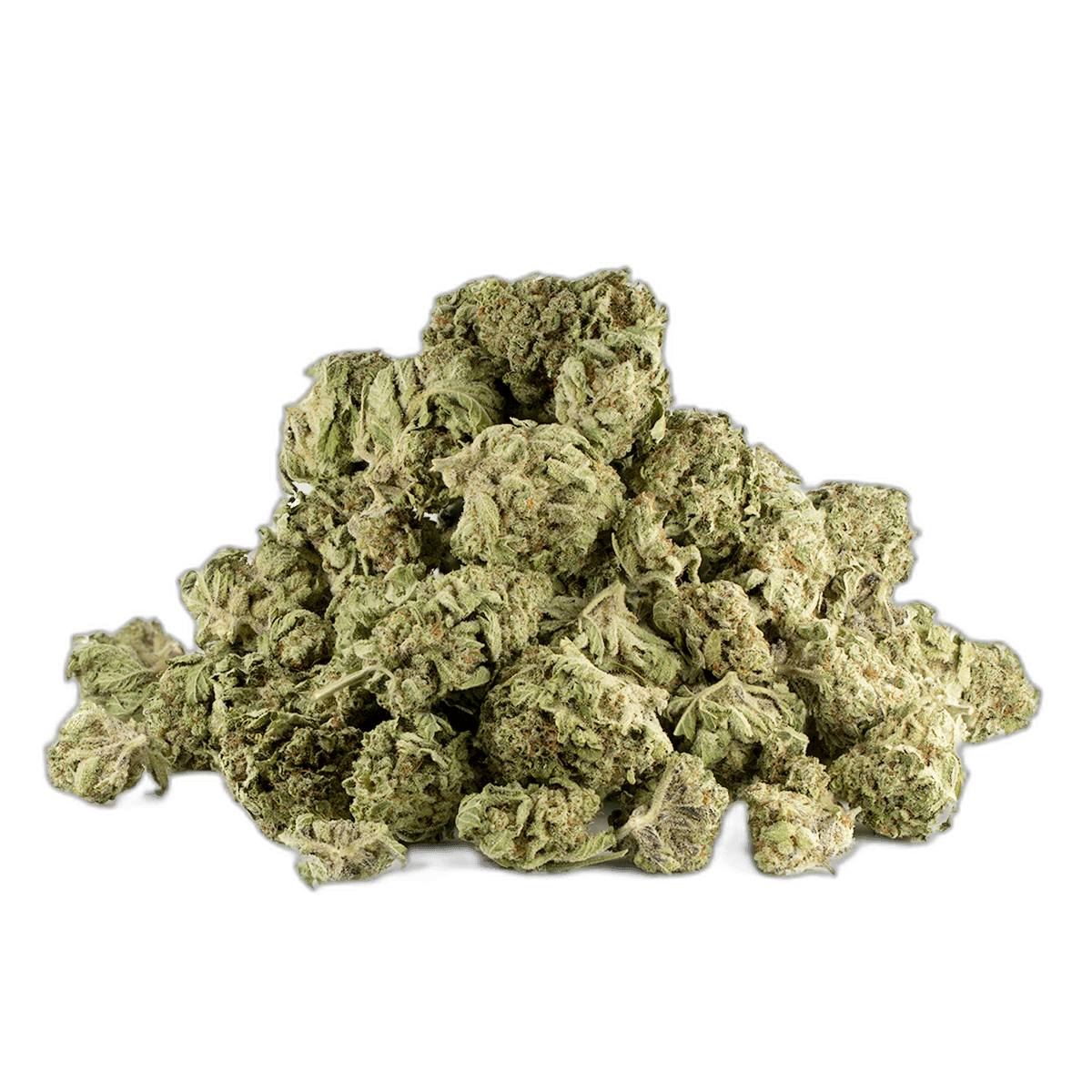
If you mainly just want good weed without the project, buying is far simpler. There is no setup cost, no learning curve, and no risk of a ruined harvest after months of waiting. You get tested, properly cured flower whenever you want it, in the strain you feel like, without owning a single piece of equipment.
That is where a delivery service earns its keep. Instead of babysitting plants, you browse a menu and have flower at your door the same day. GasDank delivers across Toronto and the GTA, usually within one to two hours, so the gap between wanting good bud and having it is about as short as it gets. No tent required.
Order Quality Flower in Toronto and the GTA
Whether your grow went sideways or you never wanted to start one, GasDank keeps good flower within easy reach across Toronto and the GTA. That covers downtown, Scarborough, North York, Etobicoke, Mississauga, Brampton, Vaughan, Markham, and beyond. Most same day orders land within one to two hours, so there is no long wait for your weed.
Ordering is straightforward. Browse the menu, build an order of at least $60, and delivery is free once you pass $80. Pay with cash on delivery or send an Interac e-Transfer, whichever suits you. First time customers just show valid ID proving they are 19+, and reordering after that takes barely a minute.
Live outside the same day zone? GasDank also ships across Canada by mail order, so tested, properly cured flower is reachable wherever you are. Growing can be a rewarding hobby, but it is not the only way to enjoy great cannabis. Browse the menu, pick your strain, and skip straight to the good part.