What counts as a concentrate
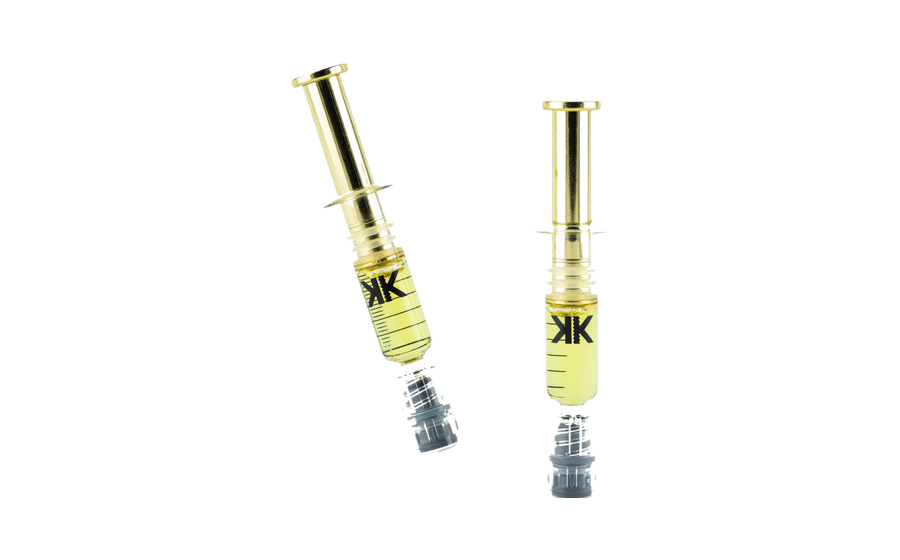
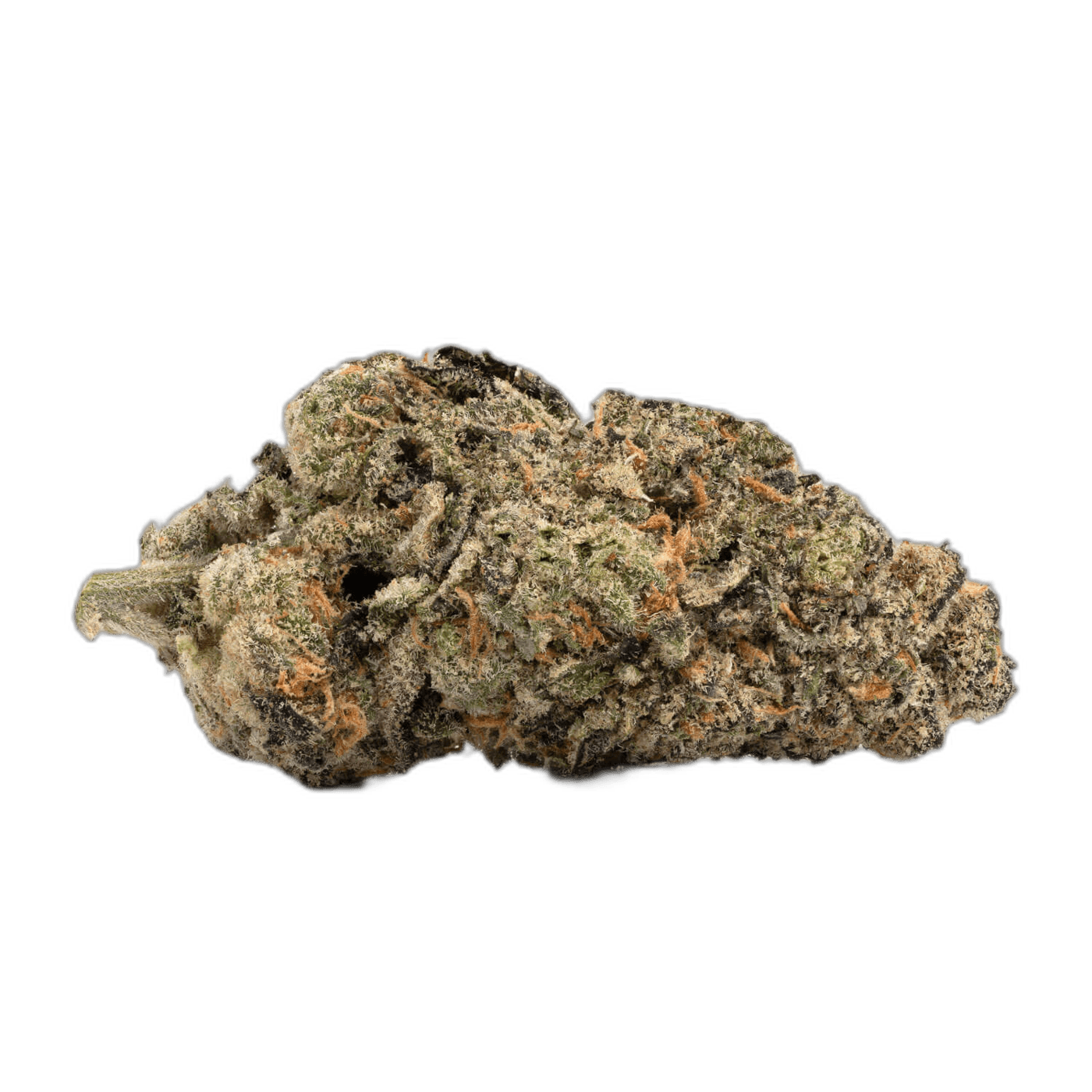
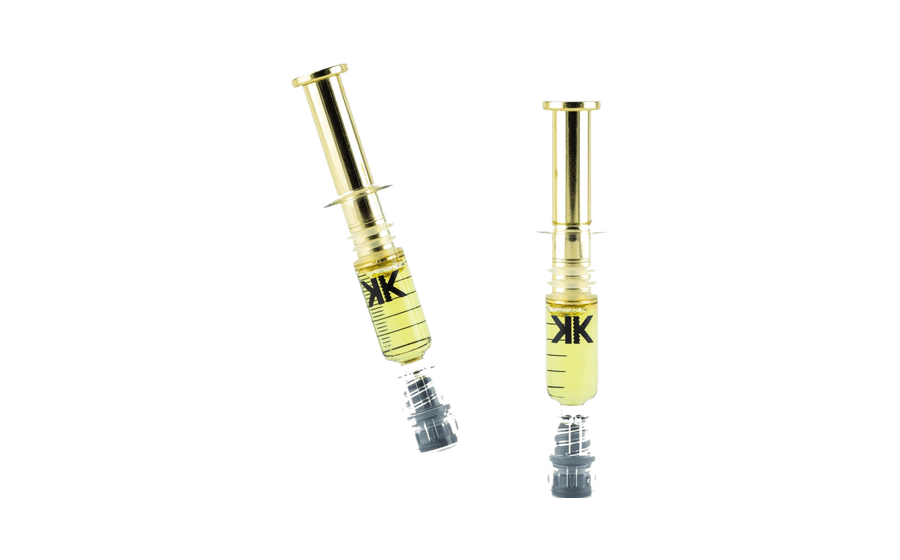
"Concentrates" is an umbrella term. Health Canada sorts them into chemically concentrated extracts made with solvents like butane, including hash oil, shatter, budder and wax, and physically concentrated ones such as hash and kief, which are loose trichomes or pressed resin. Either way, the aim is to isolate the cannabinoids and terpenes, which Health Canada notes are made and stored in the plant's trichomes, the tiny hairs on its flowers and leaves.
The words overlap. The US National Institute on Drug Abuse (NIDA) notes that some people reserve "extracts" for products made with solvents, while "dabs" can mean butane hash oil specifically or, loosely, any concentrate. The Canadian Centre on Substance Use and Addiction (CCSA) adds that many extracts are simply named after how they look or feel.
Solventless vs solvent-based
Every concentrate falls into one of two camps, as Weedmaps lays out:
- Solventless concentrates separate the trichomes physically, with screens, ice water, heat or pressure. They include kief and dry sift, ice water (bubble) hash and rosin. Weedmaps notes that in ice water hash the water does not act as a solvent; it only carries the trichome heads.
- Solvent-based concentrates dissolve the resin in butane, propane, ethanol or CO2, which is then purged. They include shatter, budder and badder, crumble, sauce, diamonds, sugar and live resin. Wikipedia notes that most ready-to-use extracts are made in closed-loop systems, which recover the solvent.
The main types at a glance
Most names describe texture. The common ones:
- Shatter: hash oil made with a hydrocarbon solvent such as butane that sets into a clear amber, glass-like solid and breaks easily (Wikipedia). More in what shatter is.
- Wax, budder and crumble: Wikipedia describes wax as a sticky semisolid; Weedmaps describes budder and badder as soft and creamy and crumble as drier and honeycomb-like. See the weed wax guide.
- Sauce and diamonds: crystals of THCA in a terpene-rich liquid. Wikipedia describes diamonds as rock-hard THCA crystals drenched in terpene sauce.
- Live resin: a solvent extract made from fresh frozen cannabis instead of dried and cured buds (Weedmaps). More in what live resin is.
- Rosin and live rosin: an oil pressed from flower or hash between heated plates, without solvents (Leafly). The live resin vs live rosin comparison covers the fresh-frozen versions.
- Hash and kief: kief is a powder of trichomes, and hash is those trichomes pressed into a ball or brick. See bubble hash and what kief is.
- Distillate: a highly refined oil, virtually odourless and flavourless, with THC or CBD often above 90% (Weedmaps). Leafly notes that distillate is commonly used in vape cartridges.
How strong are concentrates?
Much stronger than flower. Health Canada's figures: dried flower up to 30% THC, hash and kief up to 60%, and chemically concentrated extracts such as shatter, budder and wax up to 90%. For context, it says THC in dried cannabis has risen from an average of 3% in the 1980s to around 15% today. CCSA puts typical dried buds at 10% to 25% THC and says some extracts reach 99%.
The method makes a difference on average: NIDA cites average THC levels of about 54% to 69% for solvent-based products, sometimes above 80%, and 39% to 60% for solventless ones. Texture is not a reliable guide, since Weedmaps says texture does not predict potency, so go by the THC figure on the label or lab results. Canada's Cannabis Regulations cap a cannabis extract at 1,000 mg of THC per container and each capsule or other unit meant to be swallowed at 10 mg.
Higher potency carries more risk. Canada's Lower-Risk Cannabis Use Guidelines link higher THC to more acute and long-term problems, including mental health problems, cannabis use disorder and injuries, and single out extracts and concentrates for their extremely high THC levels.
Ways to use concentrates
How you take a concentrate changes how fast it works. Inhaled, Health Canada says effects can begin within seconds to minutes; swallowed, they are delayed by digestion. The main options:
- Dab rig: a water pipe with a nail or banger that flash-vaporizes a small amount; the dabbing guide covers it step by step. CCSA does not recommend dabbing for people new to cannabis.
- Dab pen or other concentrate vaporizer: a battery device that melts solid and semi-solid extracts (Health Canada).
- Vape cartridges: pre-filled oil used with a battery (Wikipedia).
- In a joint: CCSA notes that some extracts can be added to dried flower, so a small piece of shatter or wax can go into a joint.
- Swallowed: ingestible extracts such as oils and capsules can take 30 minutes to 2 hours to kick in and up to 4 hours to reach full effect, and effects can last up to 12 hours (Health Canada).
First-time safety
If you choose to try concentrates:
- Consider skipping them. Health Canada advises new or occasional users to avoid extracts such as hash, kief, wax and shatter, and to start with products at 10% THC or less (lower-risk advice).
- Start tiny, with less than a lentil-sized amount. CCSA suggests a dab the size of a grain of rice with at least 10 minutes before more, or one vape puff and a 5-minute wait.
- Know why dabs hit hard: NIDA notes a dab is inhaled all at once, in a single breath.
- Watch for warning signs. CCSA lists severe anxiety, vomiting and paranoia among signs of over-intoxication; call a poison centre or get medical help if someone feels unwell.
- Don't drive for at least 6 hours, and don't combine cannabis with alcohol (Lower-Risk Cannabis Use Guidelines).
- The same guidelines say people with a personal or family history of psychosis or substance use disorders, and pregnant women, should not use cannabis at all.
- For medical questions, including medication interactions, talk to a doctor or pharmacist.
Storing concentrates
CCSA says extracts are sensitive to heat and can break down, and Wikipedia notes hash oil loses taste and potency when exposed to air, warmth and light. Weedmaps recommends an airtight container in a cool, dark, dry place, the fridge for short-term storage if the packaging allows, and vacuum sealing without repeated freeze-thaw cycles for longer storage. CCSA also asks that products be labelled, kept in child-resistant containers that are resealed after use, and stored out of sight and reach of children.
Legal basics in Canada
Concentrates have been legal for sale since October 17, 2019 (Justice Canada). Adults may make cannabis products at home only if organic solvents are not used to make concentrates, so butane extraction at home is off the table; it is also dangerous, and NIDA reports fires, explosions and serious burns among people making butane extracts at home. For possession, 0.25 g of concentrate counts as 1 g of dried cannabis, so the 30 g public limit equals 7.5 g of concentrate, and provinces can set lower limits.
Buying concentrates
GasDank offers same-day delivery across Toronto and the GTA, usually within one to two hours, and mail order across Canada with no minimum (free shipping from $150, $20 below that). Toronto and Mississauga orders have a $40 minimum, with free delivery from $80 ($15 below that). Customers must be 19 or older (21 in Quebec), with ID checked at the door. Browse the concentrates menu; the menu carries lab-tested products.