Why Slugs and Snails Love Your Cannabis
If you grow cannabis outdoors, sooner or later you will meet slugs and snails. They are among the most common pests for outdoor growers, and they have a real appetite for young, tender cannabis leaves. To them, your carefully raised plant is a buffet, and they will happily munch through it given the chance, especially when it is small and vulnerable.
These pests thrive in damp, shady conditions, which is exactly the kind of environment a well watered garden can create. They hide during the heat of the day and come out at night to feed, which is why a lot of growers never see the culprits, only the damage. You wake up, find your plant chewed, and wonder what happened overnight.
Young seedlings and fresh growth are most at risk. A mature, sturdy plant can usually shrug off a bit of nibbling, but a tender seedling can be wiped out in a single night by a hungry slug. That is why catching and stopping these pests early, before your plants get big and tough, is so important for an outdoor grow.
How to Spot the Damage
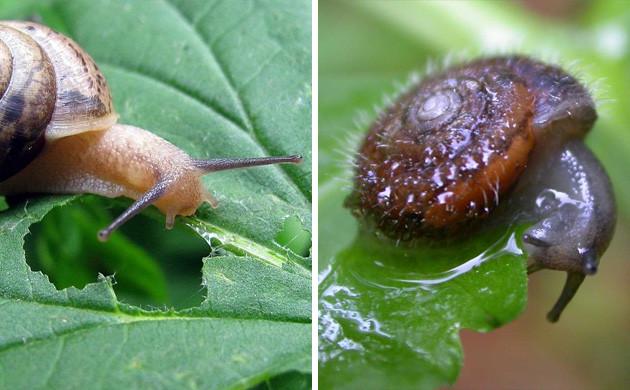
The damage from slugs and snails has a signature look. They leave ragged, irregular holes chewed right through the leaves, often starting from the edges and working inward. Unlike the neat, geometric bites of some insects, slug damage is messy and torn. If your leaves look like something took rough, uneven chunks out of them, slugs are a prime suspect.
The dead giveaway is the slime trail. Slugs and snails leave a shiny, silvery trail of dried mucus wherever they have travelled. Check the leaves, the stem, the pot, and the soil around your plant in the morning. If you spot those telltale glistening streaks catching the light, you have confirmed your pest, and you know exactly what you are dealing with.
It pays to look closely and early. Small holes today become big problems fast if a population builds up. Catching the first signs of slug damage and that first slime trail means you can act while it is one or two pests, rather than waiting until a whole colony has moved in and your plant is looking truly tattered and stressed.
Hunt Them at Night
The simplest, most effective method costs nothing but a little effort. Slugs and snails feed after dark, so head out at night with a flashlight and pick them off by hand. It is not glamorous, but it works, and a single thorough night hunt can remove a surprising number of them. Drop the ones you find into a container of soapy water.
Doing this for a few nights in a row makes a real dent in the population. The first night you might find a dozen, the next fewer, and so on as you thin them out. It is the most direct way to deal with the problem, and because you are physically removing the pests, there are no chemicals anywhere near the plant you intend to smoke.
If late nights are not your thing, early morning works too, especially after rain or heavy dew when they are still out and active. The key is catching them while they are feeding, out in the open, rather than hidden away during the dry heat of midday. A regular patrol at the right time of day is half the battle won.
A quick word on disposal. Dropping the slugs you collect into soapy water is the cleanest way to deal with them, and far kinder than salt, which is messy and can harm your soil if it washes in. Some growers relocate them far from the garden instead, though they have a knack for returning, so the soapy water bucket tends to be the simpler choice.
The Classic Beer Trap
Beer traps are an old gardener's trick that genuinely works on slugs and snails. Sink a shallow container, like a cup or a small dish, into the soil so the rim sits at ground level, then fill it partway with beer. The yeast in the beer attracts the slugs, they crawl in, and they cannot get back out. It is cheap and surprisingly effective.
Place a few of these traps around your plants, especially near where you have seen damage or trails. Check and empty them every day or two, refilling with fresh beer as needed. It is not the prettiest sight, but it quietly catches pests overnight while you sleep, working as a steady backup to your hand picking efforts.
Any cheap beer does the job, since it is the yeast and smell that draw them in, not the quality. You do not waste good beer on slugs. The traps work best as part of a combined approach rather than on their own, but they are an easy, low effort layer of defence that keeps thinning the population night after night.
Copper Barriers
Copper is a slug's worst enemy, and it makes a great barrier. When a slug or snail touches copper, it reacts with their slime and gives them a mild, unpleasant jolt, so they simply will not cross it. A ring of copper tape around a pot or a raised bed creates a line these pests refuse to pass, protecting whatever is inside.
You can buy copper tape made for exactly this purpose and stick it around the rim of your containers or along the edges of a garden bed. As long as the barrier is unbroken and the plant inside is not bridged by a leaf touching the ground outside the ring, it forms a reliable wall. It is a clean, chemical free way to keep them off.
One thing to watch is that copper barriers only work if nothing bridges the gap. A leaf drooping over the edge and touching the ground outside the ring, or soil piled up against the tape, gives slugs a way around. Keep the barrier clean and the plant pruned back from the edge, and the copper does its job reliably all season.
Crushed Eggshells and Rough Mulches
Slugs and snails have soft bodies and dislike crawling over sharp, scratchy surfaces. You can use this against them by spreading a barrier of crushed eggshells, coarse sand, or another gritty material in a ring around the base of your plants. The rough texture is uncomfortable for them to cross, so it discourages them from reaching the stem.
Crushed eggshells are a popular choice because they are free, natural, and you probably throw them out anyway. Rinse and dry them, crush them up, and scatter a generous band around each plant. As a bonus, they break down into the soil over time. It is a gentle, organic deterrent that fits nicely with a garden you plan to harvest and smoke.
These barriers do need topping up, especially after rain, which can wash them away or flatten them. They also work better as a deterrent than an absolute wall, since a determined slug might still find a way. But combined with your other methods, a rough barrier adds another layer that makes your plants less appealing and harder to reach.
Keep the Garden Tidy and Drier
Prevention beats cure, and a lot of slug trouble comes down to habitat. These pests need damp, dark places to hide during the day. Piles of leaves, boards, dense ground cover, and general clutter give them perfect daytime shelter right next to your plants. Clearing away that debris removes their hiding spots and makes your garden far less inviting.
Watering habits matter too. Slugs love constant moisture, so watering in the morning rather than the evening lets the surface dry out by nightfall, when they come out to feed. A garden that is damp all night is a slug paradise. Letting things dry between waterings, where your plants can tolerate it, makes the whole area less comfortable for them.
Good spacing and airflow help as well. Crowded, overgrown plantings stay humid and shady down low, which is exactly what slugs want. Giving your plants room to breathe keeps the lower zone drier and brighter. None of this eliminates slugs on its own, but a tidy, well drained, airy garden is a much harder place for them to thrive in.
Invite Natural Predators
Nature has its own slug control, and you can encourage it. Birds, frogs, toads, ground beetles, and even some other insects happily eat slugs and snails. A garden that welcomes this kind of wildlife keeps pest numbers down on its own, with no work from you once the balance is established. It is the most hands off approach there is.
Simple things help bring predators in. A small water feature can attract frogs and toads, a few sheltered spots give beetles somewhere to live, and avoiding broad chemical sprays keeps the helpful creatures alive. The more you lean on harsh pesticides, the more you wipe out the natural predators that would have done the job for free.
This approach takes patience, since a balanced garden ecosystem builds up over a season or more rather than overnight. But for an outdoor grower, working with nature instead of against it pays off long term. A healthy garden full of slug eating allies needs far less intervention than one where you are fighting every pest single handedly.
Why You Should Avoid Harsh Chemicals
There are chemical slug baits and pellets sold in garden stores, and while they kill slugs effectively, they come with real downsides for a cannabis grower. You are growing something you intend to smoke or eat, and you do not want toxic chemical residues anywhere near that plant. What goes on or around your cannabis can end up affecting the final product.
Many slug pellets are also dangerous to pets and wildlife, including the very predators you want to keep around. They can poison birds, frogs, and beneficial insects, throwing off the natural balance and creating bigger problems down the line. For a home grow, that trade off rarely makes sense when gentler methods work nearly as well.
The good news is that for slugs and snails specifically, you really do not need chemicals. Hand picking, traps, and barriers handle them well. Saving your plant from pests should not mean compromising the safety of what you harvest. Stick to the physical and natural methods and you protect both your plants and the quality of your final smoke.
Protecting Seedlings Specifically
Seedlings are where slugs do the most damage, so they deserve extra protection. A tiny plant has no margin to lose leaves, and a single slug can kill it overnight. Until your plants are big and sturdy, treat them as the priority and put your strongest defences around them rather than spreading your effort evenly across mature plants that can cope.
A simple and effective trick is a physical collar around each seedling. A cut plastic bottle with the bottom removed, pushed into the soil around the stem, makes a barrier slugs struggle to climb, especially if you add copper tape around the top. It is cheap, quick, and gives your most vulnerable plants a fighting chance through their riskiest weeks.
It also helps to start seedlings up off the ground if you can, on a table or bench, which puts an extra obstacle between them and the slugs cruising the soil. Once the plants are large, tough, and well established, you can relax the seedling specific defences and shift back to your normal garden wide routine of traps, barriers, and patrols.
Putting It All Together
No single method beats slugs and snails completely, which is why the growers who win combine several. A typical winning routine looks like this. Keep the garden tidy and water in the morning to make the area less inviting, set beer traps and ring vulnerable plants with copper or grit, and do a night patrol every few days to pick off whatever shows up.
Layering defences covers the gaps. Barriers stop most pests, traps catch the ones that wander, hand picking removes the persistent few, and a tidy, predator friendly garden keeps the overall population low. Any one method has weak spots, but together they form a net that very few slugs get through, all without a drop of harsh chemical.
Consistency is the real secret. Slugs breed and keep coming, so a one time effort fades fast. A little regular attention, a quick check of traps, a patrol after rain, a top up of barriers, keeps them in check all season. It becomes a small routine rather than a crisis, and your plants stay whole and healthy as they grow.
It also helps to keep simple mental notes of where the damage shows up. Slugs often follow the same routes and favour the same damp corners night after night. Once you learn their patterns, you can concentrate your traps and patrols exactly where they travel, which makes every bit of effort count for more and keeps your plants protected with less work.
Telling Slugs and Snails Apart
Slugs and snails are close cousins and cause nearly identical damage, but it is worth knowing the difference. Snails carry a hard shell on their back and can tuck inside it to wait out dry spells, while slugs are shell free and rely on staying in damp hiding spots. Both chew the same ragged holes and leave the same telltale slime trails.
Because they behave so similarly, the good news is that the same control methods work on both. Beer traps, copper, grit barriers, night patrols, and a tidy garden deal with snails just as well as slugs. You do not need a separate plan for each. Treat them as one problem and your defences cover the whole soft bodied, leaf chewing crew.
The one small difference is that snails can sometimes climb higher and reach growth a slug might not, thanks to their ability to seal up and travel in drier conditions. So when you patrol, check up the stem and on higher leaves too, not just down low. Otherwise, what beats slugs beats snails, and you can tackle both at once.
Indoor Growers Get Off Easy
If you grow indoors, slugs and snails are barely a concern. A clean indoor tent or room is a controlled environment with no easy way for these outdoor pests to wander in. That is one of the quiet advantages of indoor growing. You trade the cost of lights and gear for a space largely free of the surprise overnight pests that plague outdoor plots.
That said, slugs can occasionally hitch a ride indoors on soil, on clones brought in from outside, or through an open door near a garden. It is rare, but if you spot the familiar holes and slime trails inside, the same methods apply on a smaller scale. Inspect new plants and soil before bringing them into your space to keep them out.
Staying Patient Through the Season
The thing about slugs is that they do not give up, so neither can you. They breed steadily and new ones keep arriving, which means a single big effort early on will fade if you stop. The growers who keep their plants clean are the ones who fold pest control into their normal routine and keep at it gently for the whole outdoor season.
Try not to get discouraged by a bit of damage. A few chewed leaves on an otherwise healthy, established plant is not a disaster, and chasing absolute perfection will drive you up the wall. The goal is to keep the population low enough that your plants grow strong and finish well, not to wipe out every last slug in the neighbourhood.
By the time your plants are big and tough, they can handle minor nibbling without trouble, and your routine will mostly be keeping the numbers down rather than rescuing seedlings. Stay consistent through the risky early weeks, keep your simple defences going, and you will carry healthy plants all the way to a harvest worth all the patrol nights.
When Growing Feels Like Too Much
Fighting slugs is just one of many jobs that come with growing cannabis outdoors. Add in pests, weather, watering, feeding, and the long wait to harvest, and it becomes clear that growing is a real commitment. Some people love the hobby and the hands on connection to the plant. For others, it is more work and worry than they bargained for.
If the pest battles and the upkeep are wearing thin, there is no shame in skipping the grow entirely. Plenty of people who once grew their own now simply buy, because it is easier, faster, and there are no slugs to deal with at two in the morning. You get quality flower without any of the outdoor headaches and the months of effort.
That is exactly what a delivery service is for. Instead of guarding plants from pests, you browse a menu and have flower at your door the same day. GasDank delivers across Toronto and the GTA, usually within one to two hours, so good cannabis is always within reach whether or not you ever pick up a watering can again.
Order Quality Flower in Toronto and the GTA
Whether the slugs won this round or you simply never wanted a garden, GasDank keeps good flower within easy reach across Toronto and the GTA. That covers downtown, Scarborough, North York, Etobicoke, Mississauga, Brampton, Vaughan, Markham, and beyond. Most same day orders land within one to two hours, so there is no waiting around for your weed.
Ordering is simple. Browse the menu, build an order of at least $60, and delivery is free once you pass $80. Pay with cash on delivery or send an Interac e-Transfer, whichever suits you. First time customers just show valid ID proving they are 19+, and reordering after that takes barely a minute.
Live outside the same day zone? GasDank also ships across Canada by mail order, so tested, quality flower is reachable wherever you are. Growing can be rewarding, but it is not the only way to enjoy great cannabis, and it definitely is not the only way to skip the slugs. Browse the menu, pick your strain, and leave the pests to someone else.