Same-day weed delivery · 1 to 2 hours across the GTAFree delivery over $80 in core areasCash or Interac e-Transfer19+ ID verifiedCustomer service 8AM to 2AM ESTCanada-wide mail order · free shipping over $150Same-day weed delivery · 1 to 2 hours across the GTAFree delivery over $80 in core areasCash or Interac e-Transfer19+ ID verifiedCustomer service 8AM to 2AM ESTCanada-wide mail order · free shipping over $150
GasDank
Delivery

Liquid THC: How You Can Make It at Home

By GasDank Team

Liquid THC: How to Make a Cannabis Tincture at Home

What Liquid THC Actually Is

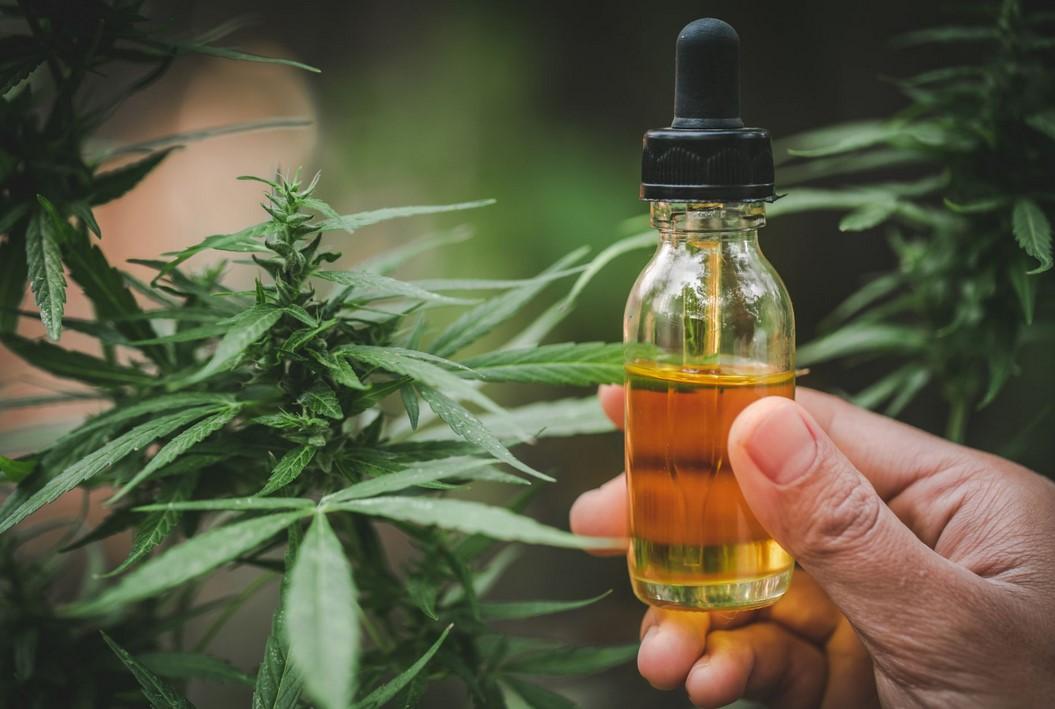
Liquid THC is one of those terms that gets used loosely, so it helps to pin it down. Most of the time, when people say liquid THC they mean a cannabis tincture, which is a concentrated liquid extract that carries THC in a base of alcohol or oil. It is taken in small amounts, usually by the drop, and it is one of the oldest ways people have used cannabis.

The appeal is simple. A tincture lets you get the effects of cannabis without smoking anything, which is gentler on the lungs and far more discreet. There is no smell of burning flower, no smoke, and no need for any special gear once you have made it. A small bottle with a dropper fits in a pocket, which makes it easy to dose quietly wherever you are.

A tincture also gives you a lot of control over dosing. Because you take it drop by drop, you can start very small and work up slowly until you find the amount that suits you. That precision makes tinctures popular with people who want a measured, repeatable experience rather than the less predictable hit of an edible or the fast, intense onset of smoking.

How Liquid THC Is Different from Other Products

It is worth understanding how a tincture compares to other ways of using cannabis. Smoking flower hits fast and fades relatively quickly, but it involves combustion and smell. Edibles are smoke free and long lasting, but they can take an hour or more to kick in and are notoriously easy to overdo. A tincture sits somewhere interesting between these options.

When you hold a tincture under your tongue, some of the THC can absorb through the tissues in your mouth, which often leads to a faster onset than swallowing an edible. If you swallow it instead, it behaves more like an edible, processed through your digestive system for a slower, longer effect. That flexibility is part of what makes tinctures appealing and versatile.

The other key difference is precision and discretion combined. A vape is discreet but still involves inhaling, while an edible is discreet but hard to dose finely. A tincture is both smoke free and easy to measure in small increments, which is a rare combination. For people who want quiet, controllable dosing without smoking, liquid THC is a genuinely useful option.

The Science: Why Decarboxylation Matters

Before you make any kind of liquid THC, you need to understand one crucial step, decarboxylation. Raw cannabis does not actually contain much active THC. Instead it contains THCA, an acidic precursor that does not get you high on its own. To turn that THCA into the active THC you want, you have to apply heat over time, and this process is called decarboxylation, or decarbing.

When you smoke or vape, decarboxylation happens instantly from the heat. But when you are making a tincture or any edible, there is no flame involved, so you have to decarb the cannabis yourself beforehand. Skip this step and your tincture will be weak or barely active, because the THCA never converted. This is the single most common mistake people make with homemade cannabis products.

Decarbing is simple in principle. You gently heat your ground cannabis in an oven at a low temperature for a set period, which activates the THC without burning off too much of it or destroying the terpenes. Getting the temperature and time right matters, since too hot or too long degrades the cannabinoids, while too cool or too short leaves them inactive. It is the foundation everything else builds on.

Alcohol Based Versus Oil Based Tinctures

There are two main routes for a homemade tincture, and they suit different preferences. The classic version uses high proof food grade alcohol as the solvent. Alcohol is very effective at pulling cannabinoids out of the plant, and an alcohol tincture absorbs well under the tongue, often giving a relatively quick onset. The trade off is the taste, which can be sharp, and the fact that you are working with strong alcohol.

The other route uses a carrier oil, such as a food grade oil like MCT or another edible oil, instead of alcohol. Oil based versions are gentler in taste and feel more like an edible in how they work, since oil is processed through digestion. They are a good choice for people who want to avoid alcohol or prefer to add their tincture to food and drinks.

Neither option is strictly better, it depends on what you want. Alcohol tinctures tend to be more potent and faster acting under the tongue, while oil based ones are milder, more food friendly, and alcohol free. Some people make both for different situations. Whichever you choose, the core principles of decarbing first and dosing carefully stay exactly the same.

What You Need to Make It at Home

Making liquid THC at home does not require fancy equipment, which is part of its appeal. For an alcohol tincture you need decarboxylated cannabis flower, high proof food grade alcohol, a clean glass jar with a tight lid, a fine strainer or cheesecloth, and a small dropper bottle to store the finished product. For an oil version, you swap the alcohol for a food grade carrier oil.

Quality matters at the input stage. The better your starting flower, the better your tincture, so it pays to start with good, properly stored cannabis. The amount of flower you use relative to your solvent will influence how strong the final product is, which is something to keep in mind and adjust based on the potency you are aiming for and your own tolerance.

You will also want a few basics for safety and cleanliness, like a clean workspace and somewhere to let things sit undisturbed. Patience is arguably the most important ingredient, since a good tincture often benefits from time. None of this is complicated, but doing it carefully and cleanly makes a real difference to the quality and consistency of what you end up with.

A Simple Step by Step Overview

Here is the general shape of the process so you know what to expect. First, you decarboxylate your cannabis by gently heating ground flower in the oven at a low temperature so the THCA converts to active THC. This step is non negotiable, and skipping it is the main reason homemade tinctures disappoint. Let the decarbed flower cool before moving on.

Next, you combine the decarbed cannabis with your chosen solvent, either high proof alcohol or a carrier oil, in a clean glass jar. The mixture then needs time to extract, which means letting the cannabinoids move from the plant into the liquid. Depending on the method, this can involve letting it sit for a period, with some people shaking the jar periodically to help things along.

Finally, you strain out the plant material through cheesecloth or a fine strainer, leaving you with the finished liquid. You then transfer it into a dropper bottle for easy, measured dosing and storage. The exact times and temperatures vary by recipe and method, so follow a reputable, detailed guide closely. The basic logic, though, is always decarb, extract, strain, and store.

Dosing Liquid THC Safely

Dosing is where tinctures really shine, but it still demands respect, especially with a homemade product whose exact strength you cannot measure precisely at home. The golden rule is to start low and go slow. Begin with a single small drop, wait to see how it affects you, and only increase gradually over future sessions once you understand your personal response.

How you take it changes the timing. Held under the tongue for a bit before swallowing, some of the THC can absorb through the mouth for a somewhat faster onset. Swallowed outright or added to food, it behaves more like an edible, taking longer to kick in and lasting longer. Either way, give it enough time before deciding whether to take more, since impatience leads to overdoing it.

Because a homemade tincture has an unknown precise potency, treat your first few experiences as careful experiments. Note how much you took and how it felt, and build a sense of your ideal dose from there. This patient approach keeps the experience comfortable and avoids the unpleasant surprise of taking far too much, which is easy to do with any concentrated cannabis product.

Storing Your Tincture

Once you have made your liquid THC, proper storage keeps it potent and usable for a long time. Light and heat are the main enemies, since they degrade cannabinoids over time. Store your tincture in a dark glass bottle, ideally one that blocks light, and keep it somewhere cool and dark like a cupboard, away from windows, ovens, and other heat sources.

A tightly sealed dropper bottle is ideal because it protects the liquid from air while making dosing easy and clean. Alcohol based tinctures are quite shelf stable thanks to the alcohol, often lasting a long while when stored well. Oil based versions can also keep for a good period but may have a shorter window, so it is worth making amounts you will realistically use.

Label your bottle clearly with what it is and, importantly, keep it well out of reach of children and pets. A tincture can look like an ordinary dropper bottle, so clear labelling and safe storage are essential to prevent any accidental ingestion. Treat it like any potent product in your home, stored responsibly and separately from anything someone might mistake it for.

Common Mistakes to Avoid

The number one mistake, by a wide margin, is skipping or rushing decarboxylation. Without proper decarbing, the THCA never fully converts to active THC, and your tincture comes out weak no matter how good your flower was. Take this step seriously and follow the recommended low temperature and timing closely, since it is the foundation of an effective product.

Another frequent error is dosing too aggressively, particularly with a homemade tincture whose exact strength is uncertain. People take a big dropper full expecting little, then get hit much harder than they planned. Always start with a single small drop and build up slowly. The same caution applies to anyone new to cannabis or returning after a long break with a lower tolerance.

Finally, watch out for careless handling and storage. Using poor quality or improperly stored flower leads to a disappointing result, and storing your finished tincture in light or heat degrades it over time. Keep everything clean, use good flower, follow a reputable recipe, and store the final product properly. Avoiding these simple mistakes is the difference between a great tincture and a frustrating one.

Is Making It at Home Worth It

Making your own liquid THC can be rewarding, but it is honest to weigh it up. On the plus side, you control the ingredients, you can tailor the strength and base to your preferences, and there is genuine satisfaction in making something yourself. For people who enjoy the hands on side of cannabis, a homemade tincture is a fun and useful project worth trying.

The downsides are mostly about precision and effort. A homemade tincture has an unknown exact potency, so dosing is more guesswork than with a properly tested product, and the process takes time and care to get right. If you value exact, consistent dosing or you simply do not want the hassle, a professionally made product may serve you better.

For many people the ideal is a bit of both. Make a tincture at home when you want a project and enjoy the control, and lean on quality ready made products when you want convenience and consistency. There is no wrong answer, just different priorities. Knowing how it works either way means you can make an informed choice that fits how you like to consume.

Ways to Use Your Finished Tincture

Once you have a finished tincture, you have a surprisingly flexible product. The most direct method is to place a few drops under your tongue and hold them there for a short while before swallowing. This lets some of the THC absorb through the tissues in your mouth, which often gives a somewhat faster onset than swallowing it outright, and it requires nothing but the dropper.

You can also add your tincture to food and drinks, which turns it into an easy way to make a homemade edible. Stirred into a drink, drizzled over food, or mixed into something you are already eating, it behaves more like a traditional edible, taking longer to kick in and lasting longer. This is a great option if you dislike the taste of an alcohol tincture taken straight.

Whichever way you use it, consistency in your method helps you dial in your dose. If you always take it the same way, you learn how a given number of drops affects you and can repeat that reliably. That repeatability is one of the quiet advantages of a tincture over less predictable formats, once you have taken the time to find your comfortable amount.

Who Tinctures Suit Best

Tinctures are not for everyone, but they suit certain people really well. If you want the effects of cannabis without smoking, a tincture is one of the gentlest and most discreet options going. There is no smoke, no lingering smell, and nothing to inhale, which appeals to people who want to avoid combustion or simply keep things low key wherever they are.

They also suit anyone who values careful, measured dosing. Because you take a tincture drop by drop, you can start very small and adjust in tiny increments, which is harder to do with a pre made edible. People who like precision and a repeatable experience often gravitate toward tinctures for exactly this reason, since they offer more control than most other formats.

On the other hand, if you love the ritual and fast onset of smoking, or you want the absolute convenience of a ready made product, a tincture might not be your main choice. That is perfectly fine. Many people keep a tincture around as one tool among several, reaching for it when discretion or precise dosing matters most and using other formats the rest of the time.

Safety Notes Before You Start

Making a tincture at home is approachable, but a few safety points are worth taking seriously. If you are using high proof alcohol, remember that it is flammable, so keep it well away from open flames and any heat source, and work in a well ventilated space. Treat the alcohol with the same respect you would give any strong, flammable liquid in your kitchen.

The decarboxylation step involves your oven, so use proper temperatures and keep an eye on the process rather than wandering off. You are aiming for gentle, controlled heat, not high heat, both to activate the cannabinoids correctly and to avoid any kitchen mishaps. A reliable thermometer and a careful approach make this step simple and safe to carry out at home.

Above all, keep everything well out of reach of children and pets, both during the process and once your tincture is finished. A small dropper bottle can look harmless, so clear labelling and secure storage are essential. Approached with a little care and common sense, making liquid THC at home is a safe and rewarding project rather than a risky one.

How Long Effects Take and How Long They Last

One thing newcomers often misjudge with liquid THC is timing, so it helps to know what to expect. If you hold the tincture under your tongue and let it absorb before swallowing, the onset can be relatively quick, often noticeably faster than a typical edible. Still, give it a fair window before judging the strength, since rushing to take more is the classic way people overshoot.

If you swallow the tincture outright or add it to food, it behaves much more like an edible. That means it travels through your digestive system, so the onset is slower and the effects tend to last longer once they arrive. Plan for patience here, especially the first few times, and resist the urge to top up before the first dose has fully shown itself.

Because timing varies with the method and with your own body, the safest habit is to treat each session as informative. Note how you took it, how long it took to kick in, and how long it lasted. Over a few tries you will build a clear picture of how your tincture works for you, which makes every future session predictable, comfortable, and easy to plan around.

Buying Quality Cannabis for Your Project

Whatever you decide to make, your tincture is only as good as the flower you start with, so quality input is essential. Properly grown, properly stored cannabis with intact cannabinoids and terpenes will always produce a better result than old, dried out, or low quality flower. Starting with the good stuff is the easiest way to set yourself up for a strong, flavourful tincture.

GasDank carries a wide selection of quality flower, all stored properly so it arrives fresh and potent, which makes it a great starting point for a homemade project. We also stock concentrates and other products if you would rather buy something ready made instead of making your own. Whatever direction you take, you can get exactly what you need from one trusted source.

We deliver same day across Toronto and the GTA, usually within one to two hours, with a $40 minimum and free delivery over $80. You can pay cash or by Interac e-Transfer, and you just need to be 19 or older. For anyone outside the local zone, we ship Canada wide by mail order. Browse the menu, grab your flower, and your home project is ready to go.

Liquid THC: How to Make a Cannabis Tincture at Home, FAQ

Q.What is liquid THC?

Liquid THC usually refers to a cannabis tincture, a concentrated liquid extract that carries THC in a base of alcohol or oil. It is taken in small amounts, often by the drop under the tongue or added to food, and it is smoke free and discreet.

Q.Why do I need to decarboxylate the cannabis first?

Raw cannabis contains THCA, which does not get you high on its own. Decarboxylation uses gentle heat to convert THCA into active THC. Without this step your tincture will be weak, which is the most common mistake people make at home.

Q.Should I use alcohol or oil for a tincture?

Alcohol tinctures tend to be more potent and faster acting under the tongue but taste sharper, while oil based ones are milder, alcohol free, and more food friendly. Neither is strictly better, so it comes down to your preference and how you plan to use it.

Q.How do I dose homemade liquid THC?

Start low and go slow, since a homemade tincture has an unknown exact potency. Begin with a single small drop, wait to see how it affects you, and only increase gradually over future sessions once you understand your personal response.

Q.Where can I buy cannabis for making a tincture?

GasDank carries a wide selection of quality, properly stored flower ideal for a homemade project, plus ready made products if you prefer. We deliver same day across Toronto and the GTA and ship Canada wide. The minimum starts at $40, free over $80, cash or Interac e-Transfer, 19 and up.

Related