Same-day weed delivery · 1 to 2 hours across the GTAFree delivery over $80 in core areasCash or Interac e-Transfer19+ ID verifiedCustomer service 8AM to 2AM ESTCanada-wide mail order · free shipping over $150Same-day weed delivery · 1 to 2 hours across the GTAFree delivery over $80 in core areasCash or Interac e-Transfer19+ ID verifiedCustomer service 8AM to 2AM ESTCanada-wide mail order · free shipping over $150
GasDank
Delivery

Weed Terms and Cannabis Slang Guide

By GasDank Team

Weed Terms and Cannabis Slang Guide for Beginners

Why Weed Has Its Own Language

Walk into any conversation about cannabis and you will hear a wall of slang, abbreviations, and product names that can feel like a different dialect. Some of it is decades of underground culture, some is newer terminology that came with legalization, and a lot of it is just budtenders and growers being efficient. Either way, it can be genuinely confusing when you are starting out. The good news is that most of it is simple once someone explains it plainly. You do not need to memorize a dictionary to buy good weed. You just need to recognize the words that actually come up when you are reading a menu, talking to a budtender, or hanging out with people who smoke. That is exactly what this glossary covers.

Think of this as the cheat sheet a friendly budtender would give you. We will go through the words for the plant itself, the different products, the slang for quality and quantity, and the science terms worth knowing. By the end you will be able to read a menu and hold a conversation without nodding along to words you do not know.

Words for the Plant Itself

Start with the basics. Cannabis, marijuana, weed, pot, herb, bud, ganja, and Mary Jane all refer to the same plant. They are largely interchangeable, though cannabis is the formal term, marijuana is the older legal word, and weed is what most people actually say day to day. There is no real difference in what they point to.

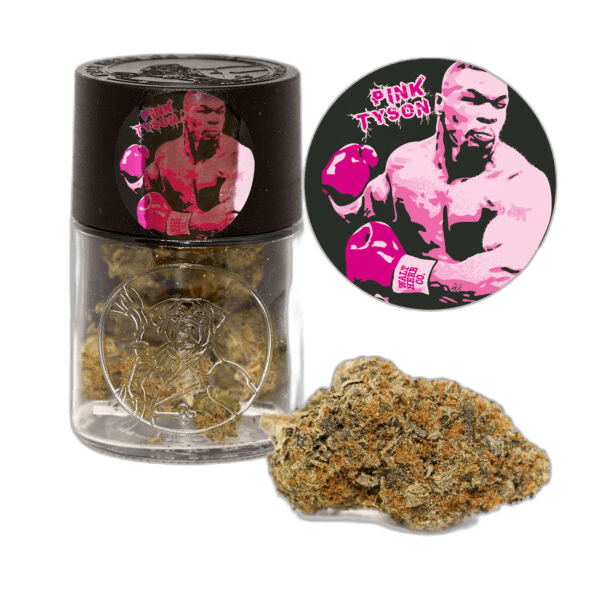
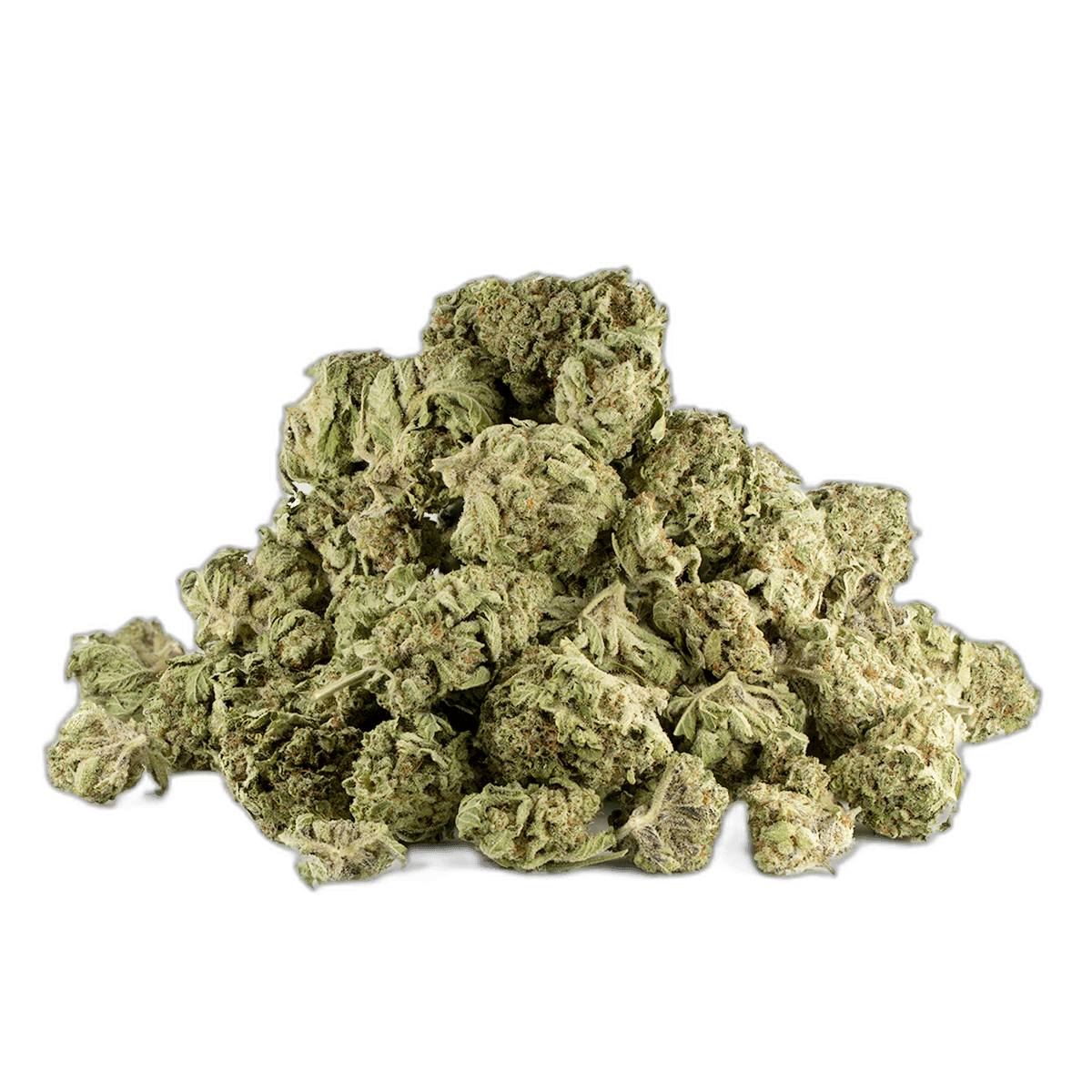
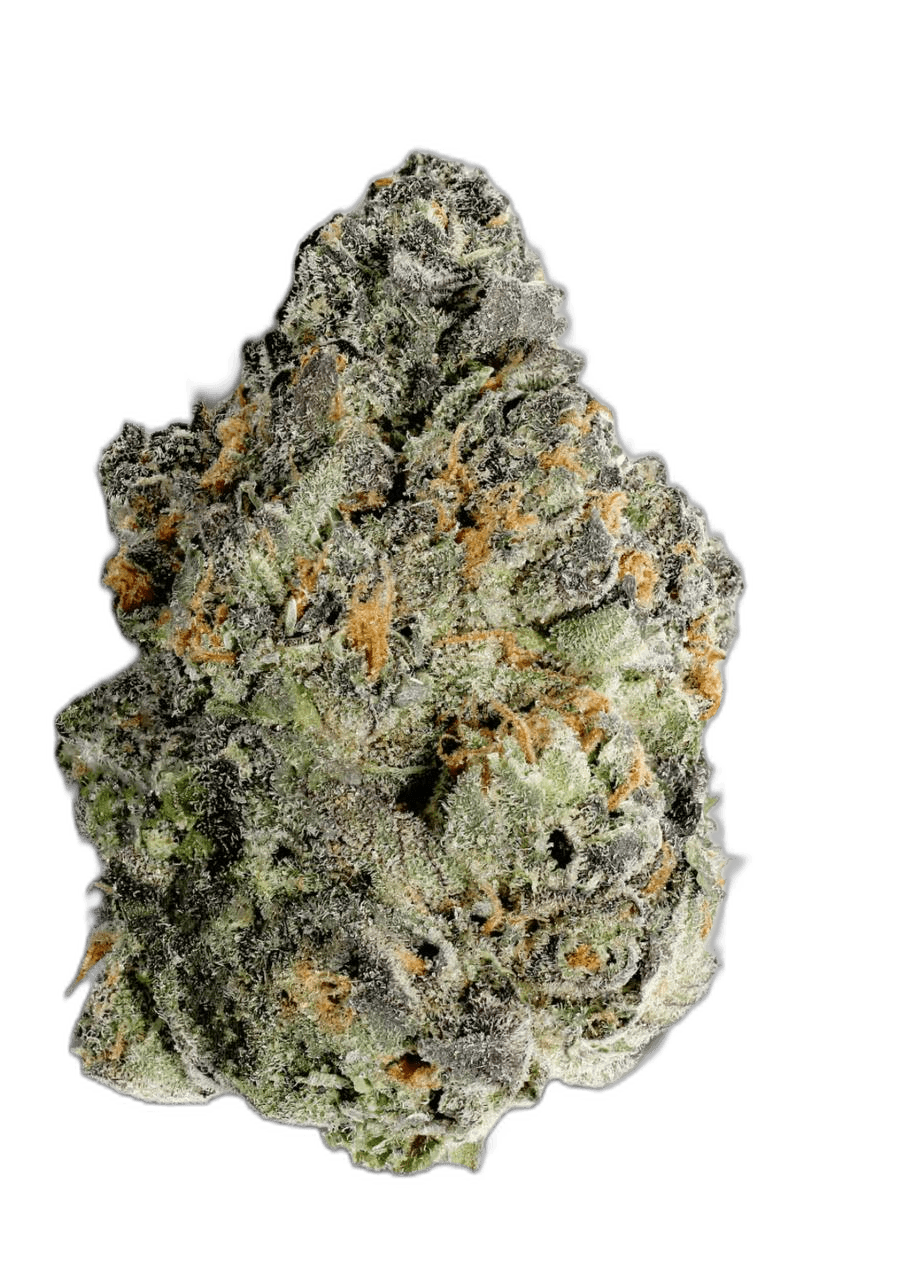
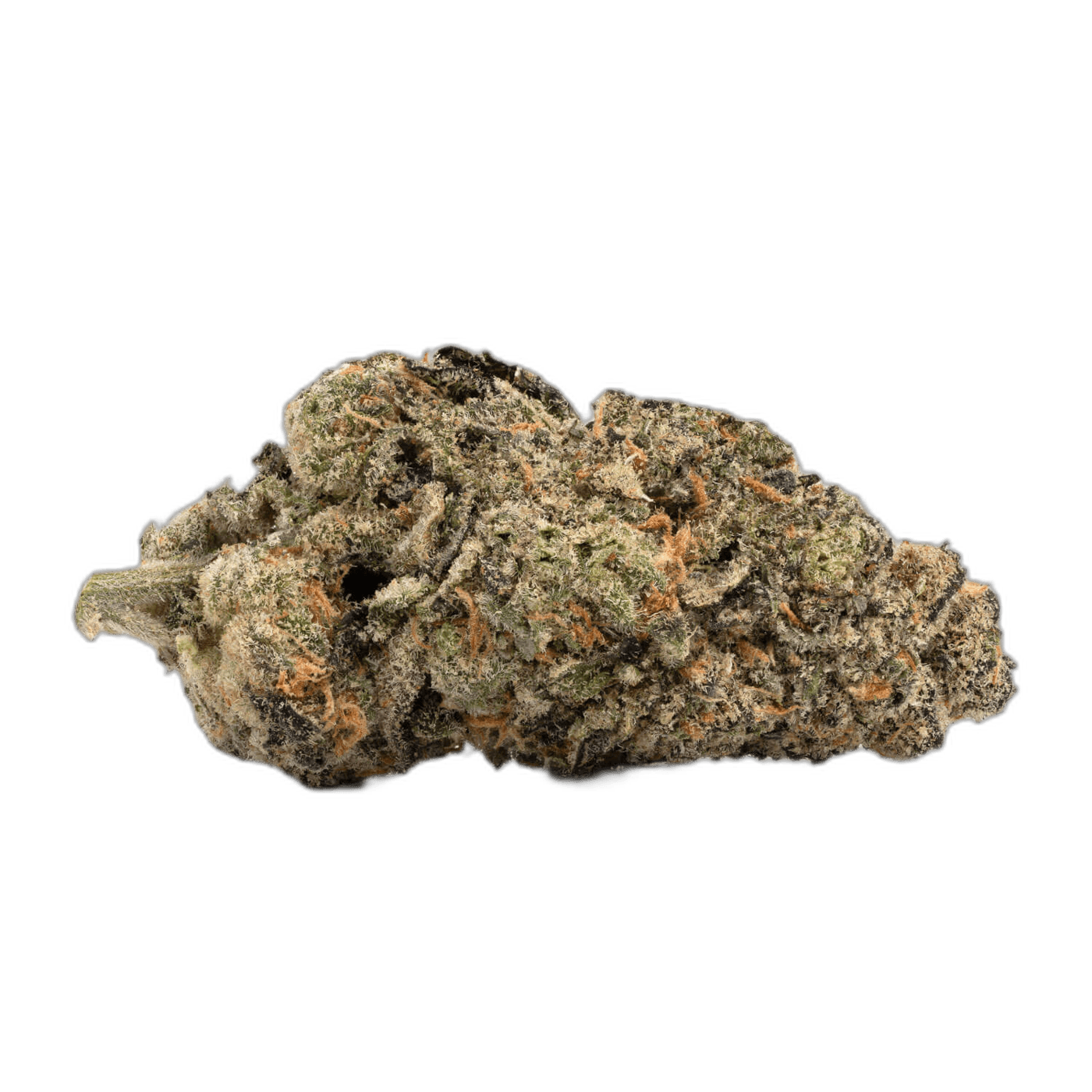
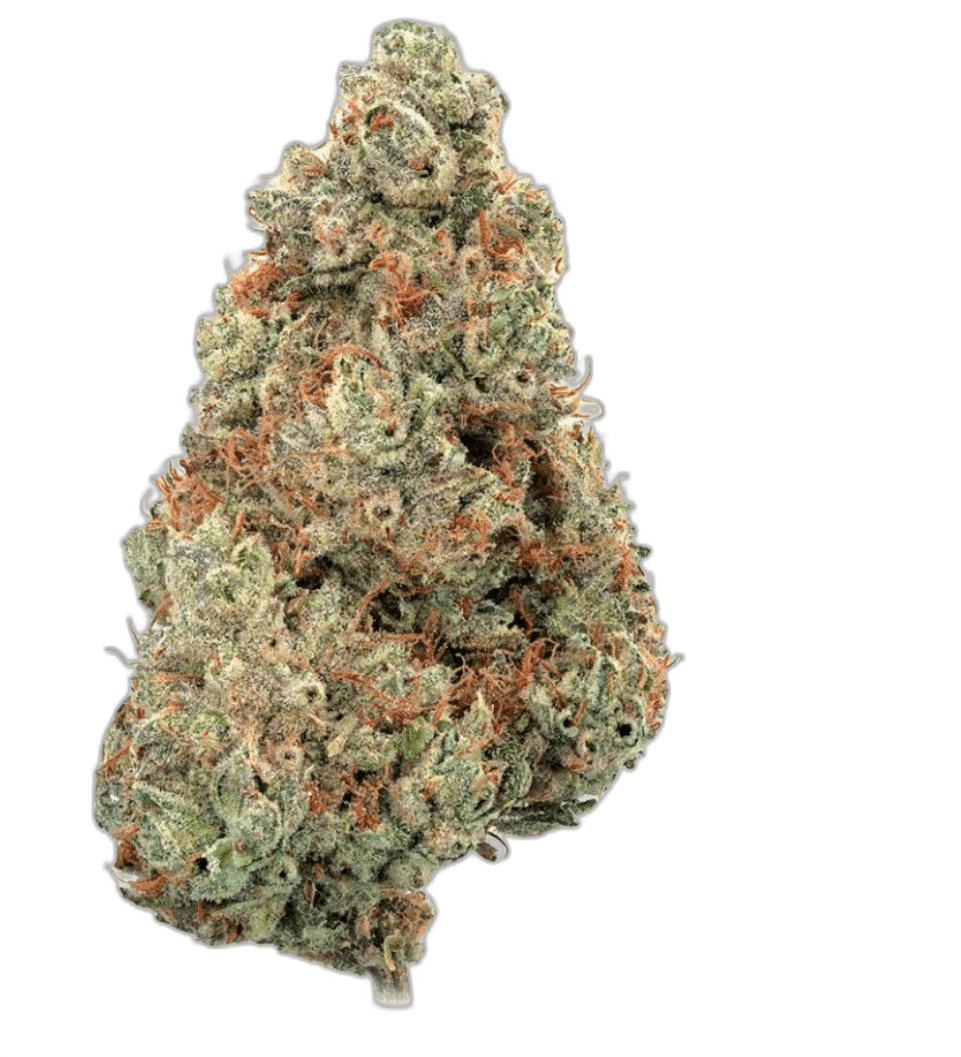
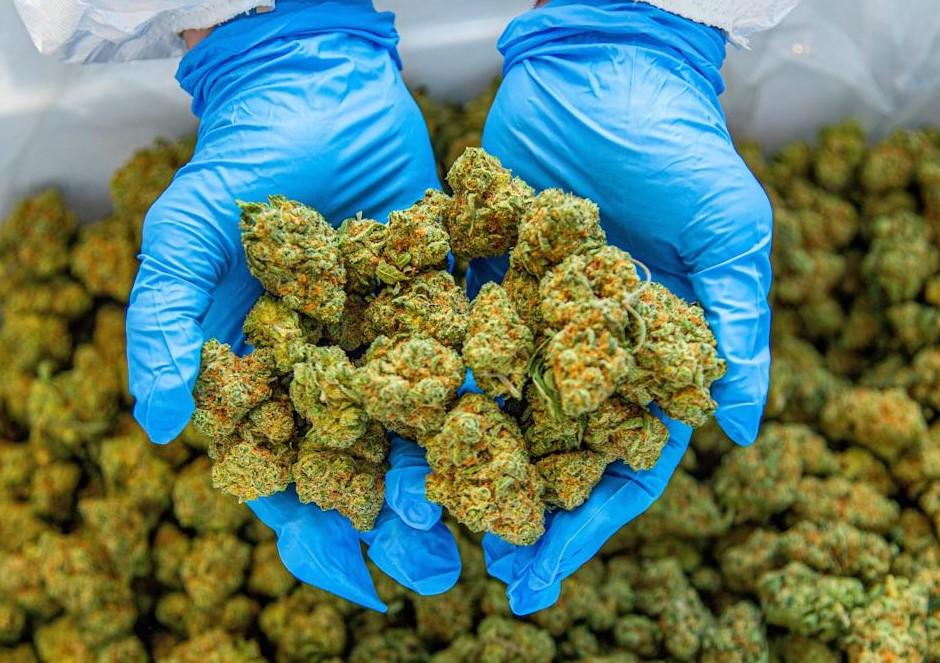
Flower is the word you will see most on menus, and it simply means the dried, smokable buds of the cannabis plant. When a budtender says flower, they mean classic weed you grind and smoke, as opposed to a concentrate or an edible. A nug, short for nugget, is a single chunky bud. A dense, well grown nug is a good sign of quality.

You will also hear the three big categories thrown around constantly. Indica is the type associated with relaxing, sedating, body heavy effects, often called a nighttime choice. Sativa is associated with uplifting, energetic, heady effects, often called a daytime choice. Hybrid is a cross of the two, balanced somewhere in between. These labels are a rough guide rather than a hard rule, but they are the language everyone uses.

Quality Slang You Will Hear

Some of the most common slang describes how good the weed is. Dank is the big one. If someone calls weed dank, they mean it is high quality, strong, and aromatic. It is a compliment. Fire and gas mean the same thing, top tier flower that hits hard and smells loud. Loud itself is slang for weed with a strong, pungent smell, which usually signals quality.

On the other end, you have words for weed you do not want. Schwag, brick weed, and dirt weed all mean low quality, often dry, harsh, weak flower, the kind that was carelessly grown or badly stored. Mids is the middle tier, decent everyday weed that is neither premium nor garbage. You will hear all of these used to rank what is on offer.

Two more quality words worth knowing. Sticky or sticky icky describes fresh, resinous flower that literally feels a bit tacky, which is a good sign the trichomes are intact. Frosty describes bud that looks coated in white crystals, again a marker of quality. When a budtender hands you something sticky, frosty, and loud, they are telling you it is the good stuff.

Quantity and Buying Terms

Cannabis is sold by weight, and the slang for amounts trips up a lot of newcomers. A gram is the smallest common unit. An eighth means an eighth of an ounce, which is about 3.5 grams, and it is one of the most popular amounts to buy. A quarter is a quarter ounce, around 7 grams, and a half is a half ounce, around 14 grams.

An ounce, roughly 28 grams, is a large amount that most regular smokers buy when they want to stock up. The slang term zip means an ounce, because an ounce used to fit neatly in a small ziplock bag. So if someone says they grabbed a zip, they bought an ounce. You will see all of these on menus, sometimes by the gram and sometimes by these named tiers.

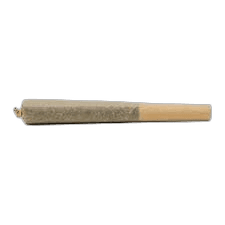
A couple of other purchase words. An eighth is sometimes called a slice in casual talk, though eighth is clearest. A pre roll is a joint that comes already rolled, ready to smoke, which is handy if you do not want to roll your own. Knowing these amounts means you can order confidently and compare prices properly, since price per gram often improves as you buy more.

Concentrate Words on the Menu

Concentrates are where the menu language gets dense, so let us sort them out. A concentrate is any product that has had the good stuff, the cannabinoids and terpenes, extracted and concentrated into a much stronger form than flower. They are far more potent, so they come up a lot once people move past flower. The names mostly describe texture and method.

Shatter is a hard, glassy concentrate that snaps like brittle candy. Wax is softer and opaque, with a texture like, well, wax. Budder and crumble are variations on that softer style, named for how they look and feel. Live resin is a premium concentrate made from fresh frozen flower, prized for keeping more of the original aroma, which is why people rave about it.

Rosin is a concentrate made using only heat and pressure, no solvents, which appeals to people who want a cleaner product. Hash and hashish are the classic, old school concentrates made from pressed trichomes. Distillate is a highly refined, very potent oil often used in vape carts. You do not need all of these memorized, but recognizing the words helps you understand what you are looking at.

How People Smoke and Consume

There is a whole vocabulary for the act of using cannabis too. To toke is to take a puff. A bowl is the part of a pipe or bong you pack with flower, and to pack a bowl is to load it up. A bong is a water pipe that cools and filters the smoke. A joint is rolled in paper, a blunt is rolled in a tobacco leaf wrap, and a spliff mixes weed with tobacco.

Dabbing is the method for smoking concentrates. You heat a surface called a nail, drop a small amount of concentrate, called a dab, onto it, and inhale the vapour through a special rig. It is potent and has its own gear and slang. Vaping means using a vaporizer to heat flower or concentrate without burning it, producing vapour instead of smoke.

A few more you will hear. Greening out means getting uncomfortably too high, usually from overdoing it, and it passes with time, water, and rest. Couch lock is the heavy, sink into the sofa feeling from a strong indica. The munchies are the hunger that often follows. Wake and bake is smoking first thing in the morning. None of these are complicated, but they come up all the time.

The Science Words Worth Knowing

A handful of science terms genuinely help you shop smarter, so they are worth a moment. THC, short for tetrahydrocannabinol, is the main compound that gets you high. CBD, cannabidiol, is a non intoxicating compound many people use for a calmer, clear headed effect. A menu will usually list a THC percentage, and higher generally means stronger, though it is not the whole story.

Cannabinoids is the umbrella term for the active compounds in cannabis, of which THC and CBD are the famous two. There are many others, like CBN, which is more sedating and forms as THC ages, and CBG, an increasingly talked about minor cannabinoid. You do not need them all, but knowing the word cannabinoid helps the rest make sense.

Terpenes, often shortened to terps, are the aromatic compounds that give each strain its distinct smell and flavour, from citrus to pine to fuel. Many people believe terpenes also shape the kind of high you feel. This ties into the entourage effect, the idea that THC, CBD, and terpenes work together to produce an effect greater than any one of them alone. When a budtender asks what terps you like, they are asking about smell and effect together.

Strain and Genetics Talk

When people talk about strains, a few words come up again and again. A strain, also called a cultivar, is a specific variety of cannabis with its own genetics, look, smell, and effect, like Blue Dream or OG Kush. A phenotype, or pheno, is a particular expression of a strain, since the same genetics can produce slightly different plants.

A landrace is an old, original strain that developed naturally in a specific region, like an Afghani or a Thai, before modern breeding mixed everything together. These are the ancestors of most modern strains. A cross is what you get when a breeder combines two strains to make a new one, which is how the huge variety of named strains came to exist.

You will also hear the word genetics used loosely to mean the underlying breeding and lineage of a strain. When someone says a strain has good genetics, they mean it comes from a respected, stable cross that reliably grows into quality plants. None of this is essential for a casual smoker, but it explains the family tree behind the names on the menu.

Edible and Dosing Lingo

Edibles bring their own small vocabulary. An edible is any food or drink infused with cannabis, from gummies to chocolates to drinks. Because they are digested, they hit differently from smoking, which is where dosing language matters. A dose is the amount of THC in a single serving, usually measured in milligrams.

Microdosing means taking a very small dose on purpose, low enough to feel a subtle effect while staying functional, rather than getting strongly high. It has become a popular approach for people who want a gentle lift. On the flip side, you will hear people warn about taking too much and having to ride it out, since you cannot undo an edible once it is eaten.

The phrase start low and go slow is practically a motto with edibles, and you will hear it from any good budtender. It means begin with a small dose, wait a long time, often a couple of hours, and only take more once you know how the first dose felt. Edibles are slow to come on and easy to overdo, so this phrase is worth taking to heart.

Slang for Being High

There is endless slang for the state of being high, and you will pick most of it up by context. Stoned, baked, blazed, lit, blitzed, zooted, and ripped all mean intoxicated from cannabis, with the stronger sounding ones generally implying you are very high. High itself remains the plainest and most common word.

Some of these carry a hint of degree. Toasted and cooked lean toward heavily high, while a little buzzed suggests just a mild lift. Faded sits somewhere in the comfortable middle. People mix and match these freely, and there is no official ranking, so do not overthink the exact shade of meaning. They all point at the same general idea.

You will also hear the experience itself described. A head high is a cerebral, mental effect, common with sativas, while a body high is the physical, relaxing kind, common with indicas. A creeper is a strain or edible whose effects sneak up on you slowly. Knowing these helps you describe what you want and what you felt, which makes talking to a budtender much easier.

Culture and Community Terms

Cannabis culture has its own shared references too. 420 is the big one, both a time, 4:20 in the afternoon, traditionally associated with smoking, and a date, April 20th, which has become an unofficial cannabis holiday celebrated worldwide. If someone mentions 420, they are nodding to this whole tradition. The number is basically shorthand for cannabis culture itself.

A budtender is the person behind the counter at a dispensary who helps you choose products, a bit like a bartender for weed, hence the name. A dispensary is a shop, physical or online, that sells cannabis. A connoisseur is someone with refined taste in weed who cares about quality, terps, and the finer details, the cannabis equivalent of a wine buff.

You will also hear sesh, short for session, meaning a time spent smoking, often with others. To pass it on the left is an old, lighthearted bit of smoking etiquette about which way a joint travels in a circle. Stoner is the long standing, mostly affectionate label for someone who enjoys cannabis regularly. These are the social words that come up once you are around the culture.

Reading a Dispensary Menu

Now let us put it together with the words you see on an actual menu. A listing usually shows the strain name, the type, indica, sativa, or hybrid, and a THC percentage, sometimes a CBD percentage too. It may list the dominant terpenes, the price by gram or by tier like an eighth or a zip, and a short description of the effect and flavour.

Knowing the glossary turns that listing from a code into useful information. A frosty, sticky indica hybrid with high THC, listed as loud and gassy, with myrcene and caryophyllene as the top terps, now reads clearly. You know it is relaxing, strong, fresh, pungent, and earthy. That is the whole point of learning the words.

Do not worry about knowing every term before you shop, though. A good budtender exists precisely to translate the menu for you and point you toward what fits. Tell them the kind of effect you want and roughly your experience level, and they will handle the jargon. This glossary just means you can follow along and ask better questions.

In other words, the glossary is a confidence tool, not a test. Even knowing half of these terms puts you well ahead, and the rest you will absorb naturally the more you shop and chat.

Grow and Plant Slang

Even if you never grow your own, you will hear growing slang, especially around how flower is described. A cola is the main flower cluster at the top of a plant, and the bigger and denser, the better. Trim refers to the small leaves cut away from the buds at harvest, which can still be used for things like tea or extracts. Sugar leaf is the small, resin coated leaf close to the buds, named for its frosty, sugary look.

You will also hear about how plants are grown. Indoor means grown under lights in a controlled space, often associated with carefully dialed in, top shelf flower. Outdoor means grown in natural sunlight, which can produce big yields and is often more affordable. Greenhouse sits in between, using natural light with some shelter and control. These growing methods come up because they affect both quality and price.

A couple more worth knowing. Curing, which we touched on, is the slow drying and resting that develops a flower's flavour after harvest, and well cured weed smokes far smoother. Popcorn buds are the smaller, looser nugs from lower on the plant, often sold a bit cheaper than the big top colas. Knowing these terms helps you understand why one jar of the same strain might look and cost different from another.

Legal and Shopping Terms

Buying weed comes with its own practical vocabulary, especially online. Same day delivery means exactly what it says, your order arrives the same day you place it, which is the standard people expect from a good delivery service. A minimum order is the smallest amount you can buy for delivery, and free delivery thresholds are common, where spending over a certain amount waives the delivery fee.

You will also see payment terms. Interac e-Transfer is a common, convenient way to pay electronically in Canada, and cash on delivery is exactly what it sounds like. The 19 plus requirement refers to the legal age to buy and possess cannabis in much of Canada, and any legitimate service will check it. These are the nuts and bolts of actually placing an order, separate from the product slang.

One more useful pair. A drop or a restock is when new product becomes available, which people watch for when they want a particular strain. A deal or a sale is self explanatory but worth watching, since prices and bulk discounts vary. Understanding these shopping terms means you can not only pick the right product but also order it smoothly and get the best value when you do.

Shop With Confidence Across Toronto and the GTA

Once the language clicks, buying weed gets a lot more fun, because you can actually tell what you are getting and ask for exactly what you want. GasDank's menu uses these same terms, so everything in this glossary maps directly onto what you will see when you browse our flower, concentrates, edibles, and vapes.

We deliver same day across Toronto and the GTA, with a $40 minimum and free delivery on orders over $80. Payment is easy with cash or Interac e-Transfer, and you must be 19 or older to order. If a term on the menu stumps you, just ask, since helping people understand what they are buying is part of the job.

Bookmark this guide, glance back at it whenever a new word pops up, and before long the slang will be second nature. Browse the menu, use your new vocabulary to find the dank, frosty, loud flower you are after, and order with the confidence of someone who speaks the language.

Weed Terms and Cannabis Slang Guide for Beginners, FAQ

Q.What does dank mean when describing weed?

Dank means high quality, strong, and aromatic flower. It is a compliment. You will hear fire, gas, and loud used the same way, all pointing to top tier weed that hits hard and smells pungent. The opposite words are schwag, brick weed, and dirt weed, which mean low quality, weak, harsh flower.

Q.How much is an eighth and a zip?

An eighth is an eighth of an ounce, about 3.5 grams, and it is one of the most popular amounts to buy. A zip is slang for a full ounce, about 28 grams, named because an ounce used to fit in a small ziplock bag. In between, a quarter is about 7 grams and a half is about 14 grams.

Q.What are terpenes or terps?

Terpenes, often shortened to terps, are the aromatic compounds that give each strain its smell and flavour, from citrus to pine to fuel. Many people believe they also shape the type of high you feel. They tie into the entourage effect, the idea that THC, CBD, and terpenes work together for a combined effect greater than any one alone.

Q.What is the difference between flower and concentrate?

Flower is the classic dried, smokable bud of the cannabis plant that you grind and smoke. A concentrate has had the cannabinoids and terpenes extracted into a much stronger form, like shatter, wax, live resin, or rosin. Concentrates are far more potent than flower and are usually dabbed or vaped rather than smoked like a joint.

Q.What does start low and go slow mean?

It is the golden rule for cannabis, especially edibles. It means begin with a small dose, wait a long time, often a couple of hours for edibles, and only take more once you know how the first dose felt. Edibles are slow to come on and easy to overdo, so this approach prevents accidentally getting far too high.

Related